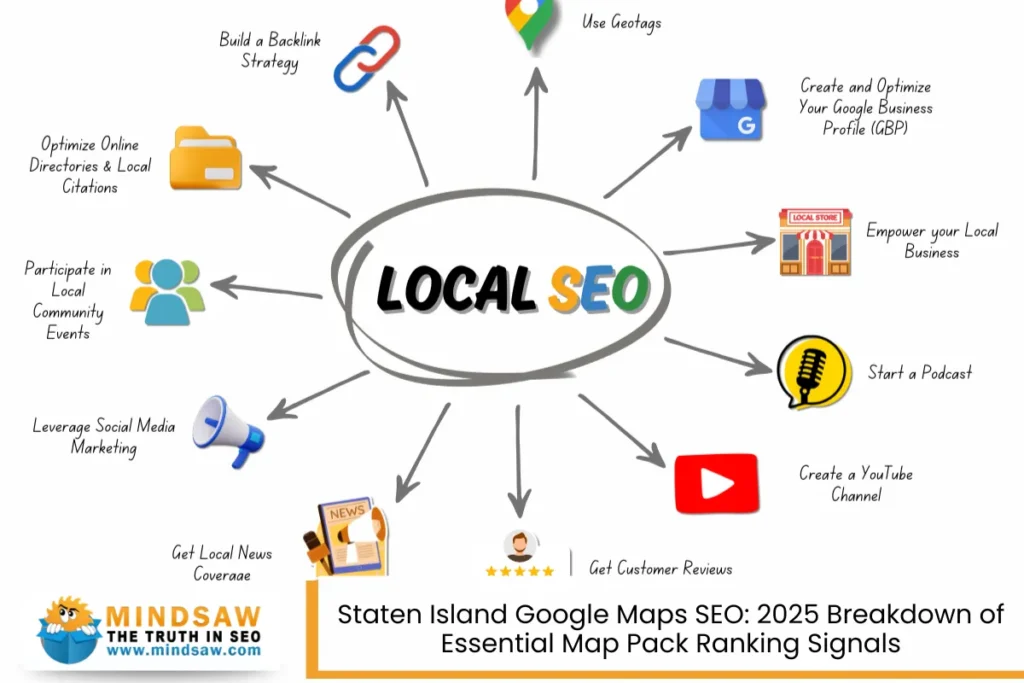

If you’re a small business owner looking to attract local customers, you’ve probably heard about Local SEO. But what exactly is it, and how can you use it to bring more customers into your store or onto your website? This guide clearly explains Local SEO, even if you’re new to internet marketing services. By the end, you’ll know how to boost your local online presence and attract customers right where you live!
Step 1: Understanding Local SEO and Its Importance
What is Local SEO, and Why Does It Matter?
Local SEO (Search Engine Optimization) means making your business easy to find online for people close by. When someone searches on Google for things like “pizza near me” or “best plumber in town,” Local SEO helps your business appear first.
It’s important because most customers now search online before visiting a business. If your business pops up in these searches, you’re more likely to get new customers!
Benefits of Local SEO for Small Businesses
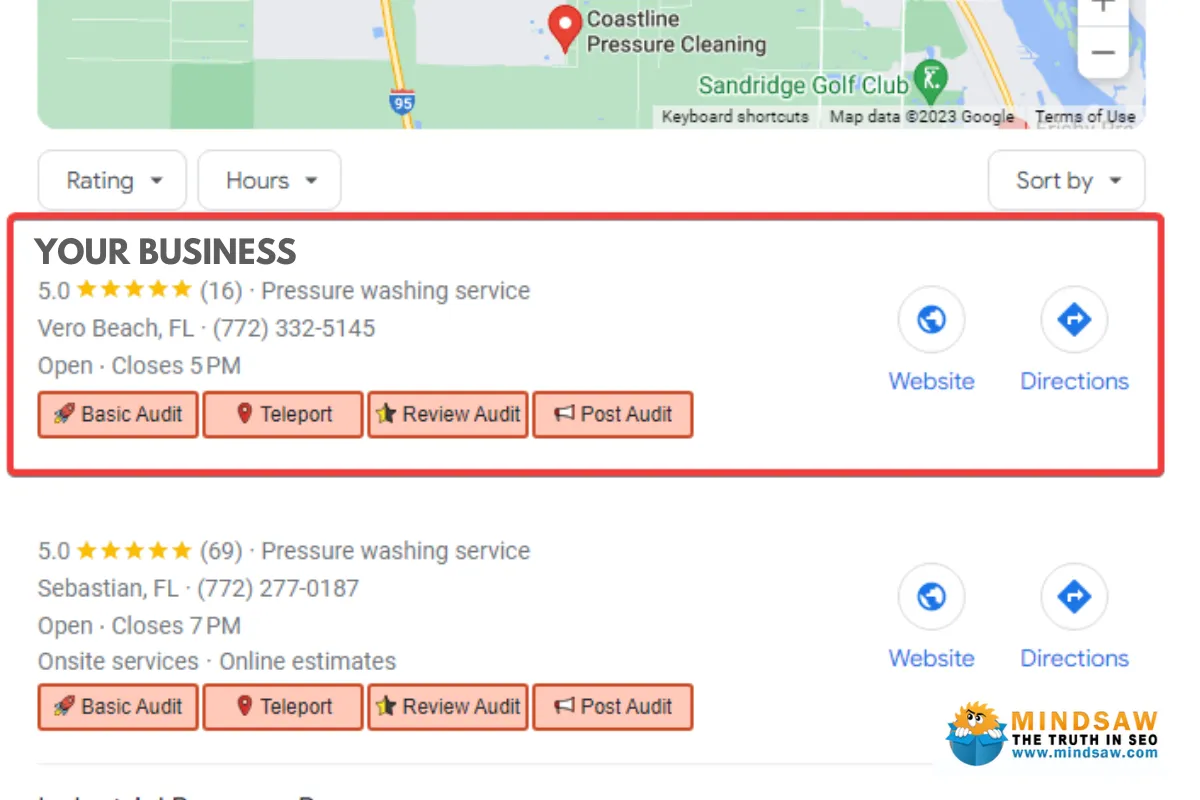
Local SEO helps your small business in lots of ways:
- Get Found Easily: Show up in Google Maps and local search results.
- Bring More Customers: People nearby can find you quickly, increasing visits to your store.
- Save Money: Compared to ads, good Local SEO is a low-cost way to bring in customers.
- Compete Locally: Even small businesses can compete with big brands when using good local SEO strategies.
Step 2: Claiming and Optimizing Your Google Business Profile (GBP)
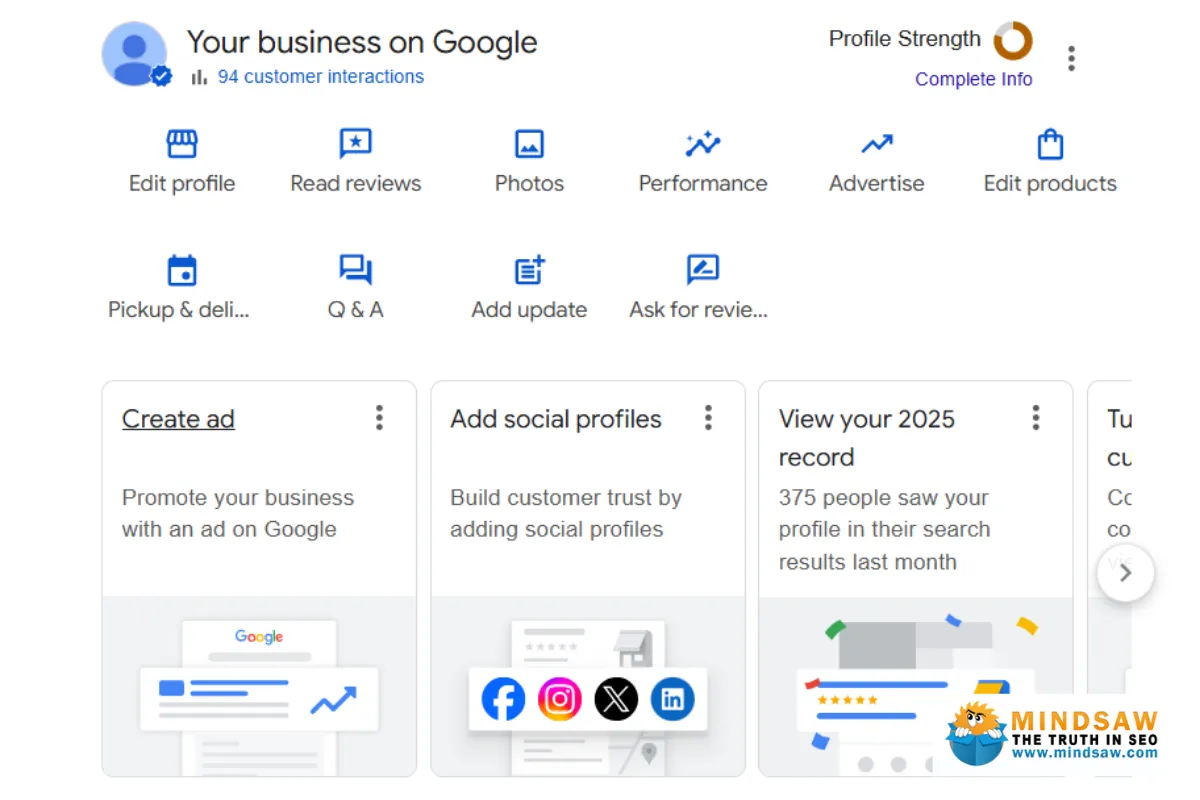
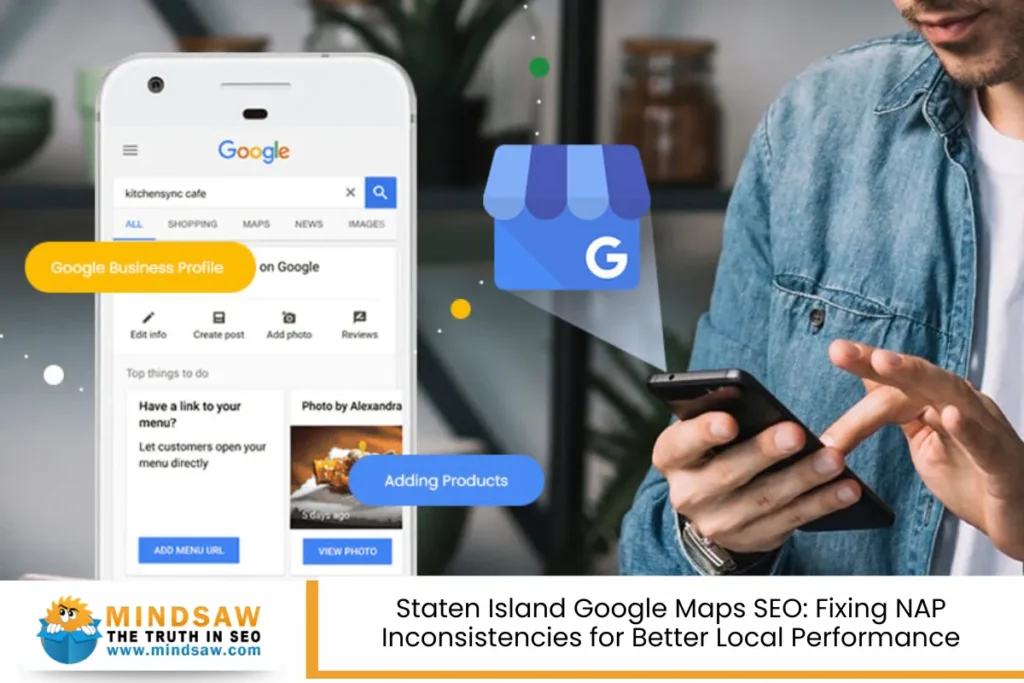
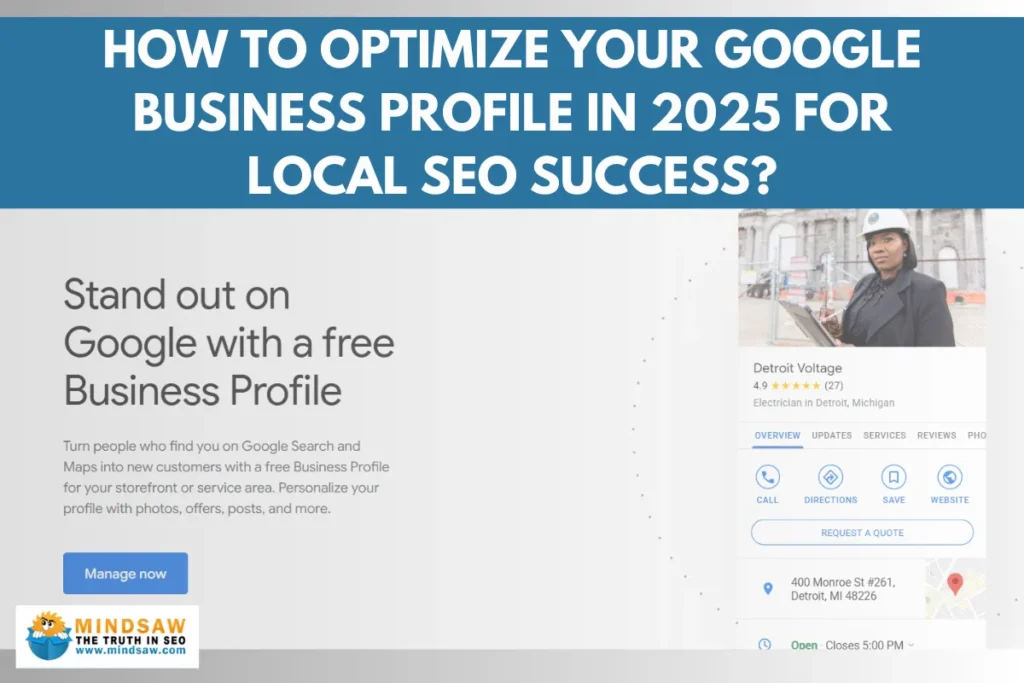
How to Set Up Your Google Business Profile
Setting up your Google Business Profile is easy:
- Go to Google Business Profile and click “Manage Now.”
- Enter your business name, address, and phone number (this is called your NAP).
- Choose the right category, like “bakery,” “auto repair,” or “hair salon.”
- Verify your business with Google, usually through a postcard they mail to your address.
Essential GBP Optimizations for Better Local Rankings
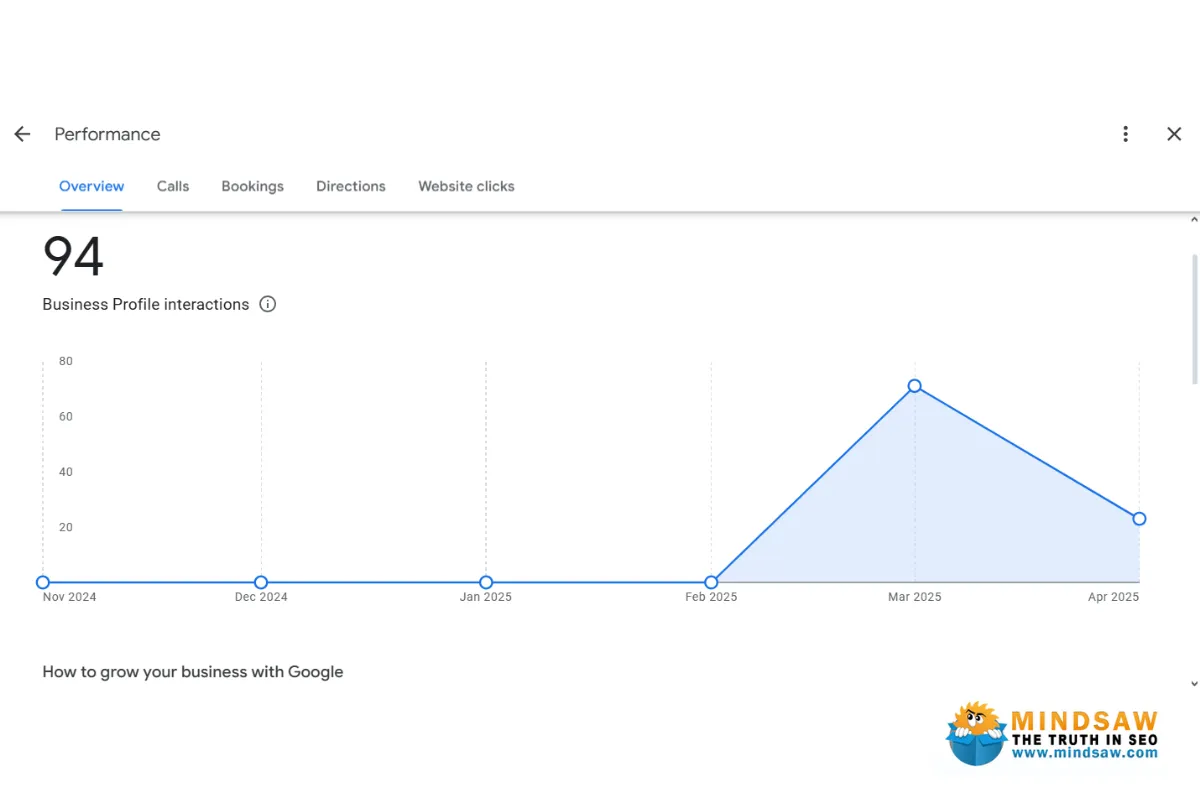
Make sure to keep your profile updated with:
- Clear and accurate address, phone number, and hours.
- High-quality photos of your store, products, or services.
- A short but clear description using local keywords (like “best pizza in Brooklyn”).
This helps customers trust you and makes Google rank your business higher!
Step 3: Conduct Local Keyword Research
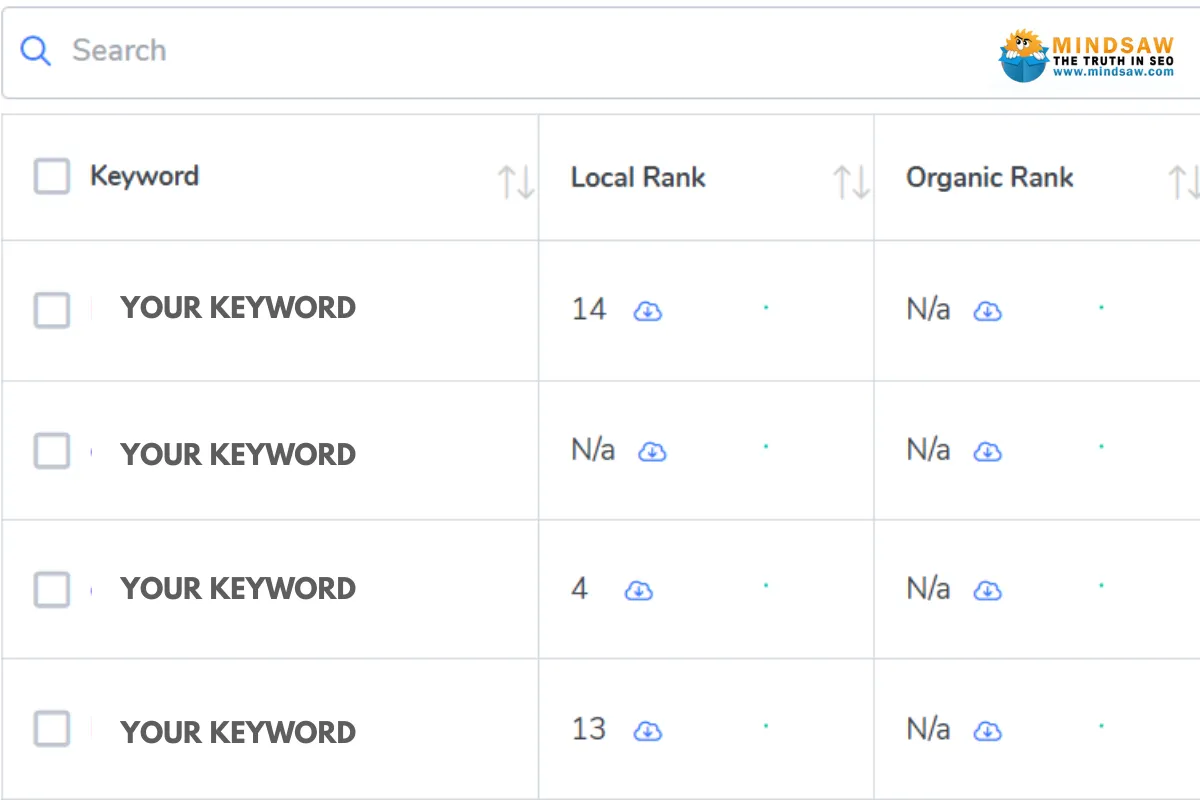
Tools and Methods for Finding Local Keywords
Keywords are words customers type into Google when searching. For Local SEO, focus on keywords like “flower shop near me” or “dentist in Seattle.” Tools like Google Keyword Planner or SEMrush can help you discover great keywords for your area.
Implementing Keywords into Your Website Content
Use local keywords naturally in your website, especially in:
- Page titles (“Best Burgers in Austin, TX”)
- Headings (“Affordable Plumbers in Miami”)
- Descriptions (“Fastest dry cleaning service near downtown Dallas”)
Be natural, clear, and helpful—not overly repetitive!
Step 4: Creating Localized Website Content

How to Write SEO-Optimized Local Pages
Write pages that talk specifically about your town, neighborhood, or city. For example, a flower shop might have pages like:
- “Best Wedding Flowers in Boston”
- “Affordable Flower Delivery in South Boston”
- “Fresh Roses and Bouquets in Boston Harbor Area”
These pages help locals find you online easily.
Examples of Effective Local Content
- Lists like “Top 5 Pizza Places in San Diego”
- Blog articles about local events, such as “Upcoming Festivals in Chicago”
- Answering frequently asked local questions, like “Best times to visit our Austin coffee shop?”
Step 5: Building Local Citations and Listings
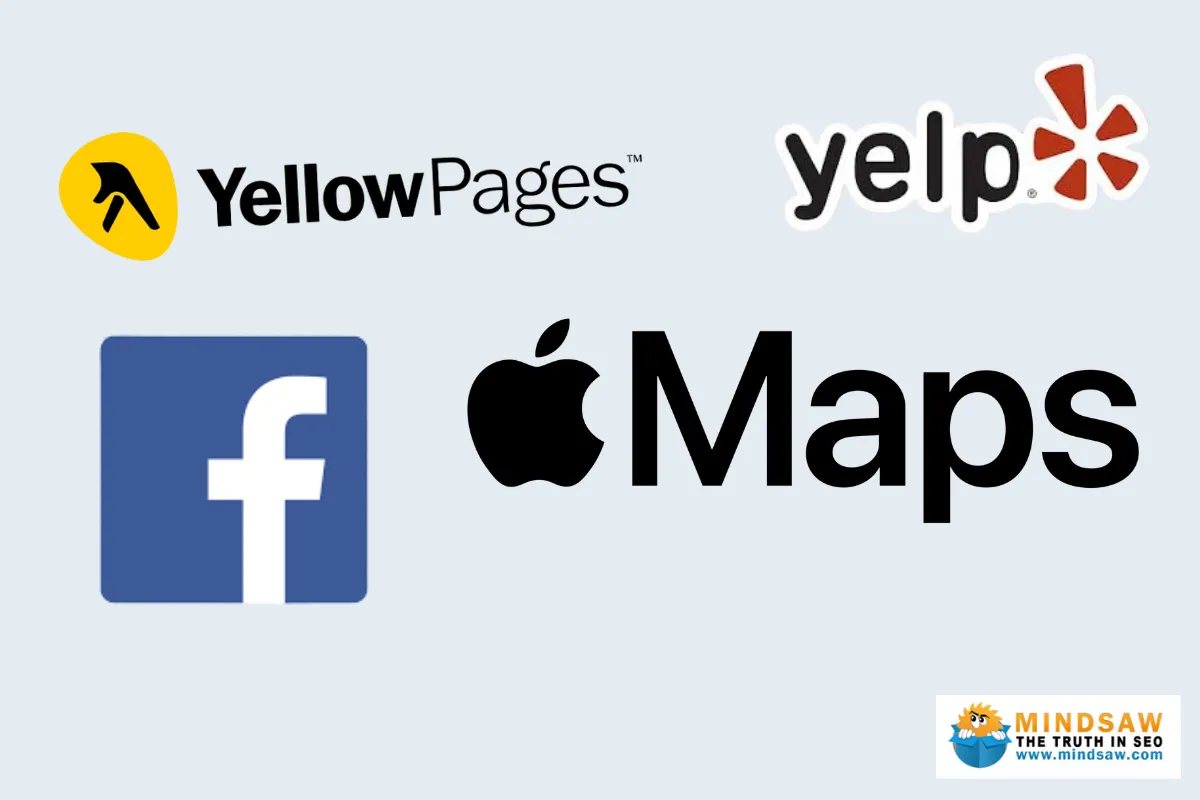
Key Local Citation Sources
Local citations are online mentions of your business on directories or review sites. Good places include:
Best Practices for Citation Management
Make sure your NAP (Name, Address, Phone) is consistent everywhere! Use tools like BrightLocal or Moz Local to manage your citations easily.
Step 6: Encouraging and Managing Customer Reviews
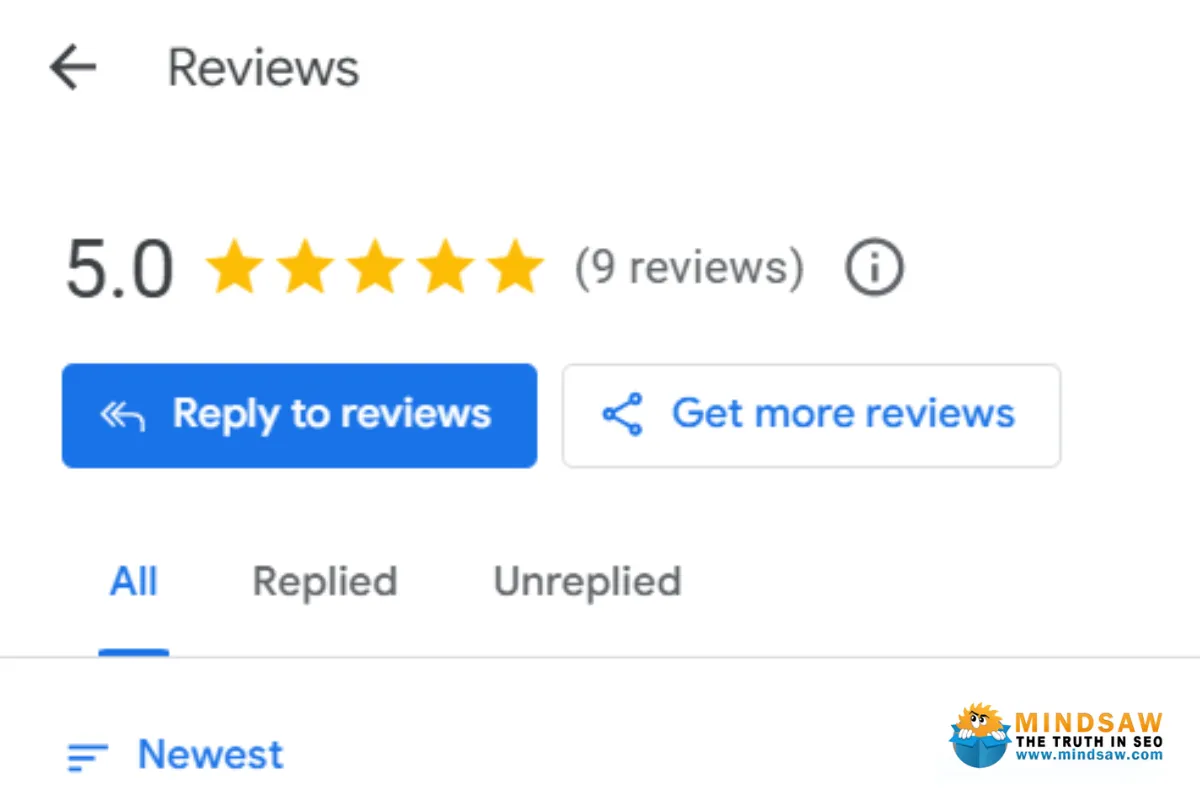
Strategies to Generate Positive Customer Reviews
Ask your happy customers politely to leave reviews on sites like Google, Yelp, or Facebook. Reviews build trust with new customers and help you rank higher on Google.
Responding to Reviews Effectively
Always reply politely, even to negative reviews. Thank customers for good reviews and offer to fix issues if a review is negative. Good responses show your customers that you care about them.
Step 7: Implementing On-Page SEO Best Practices
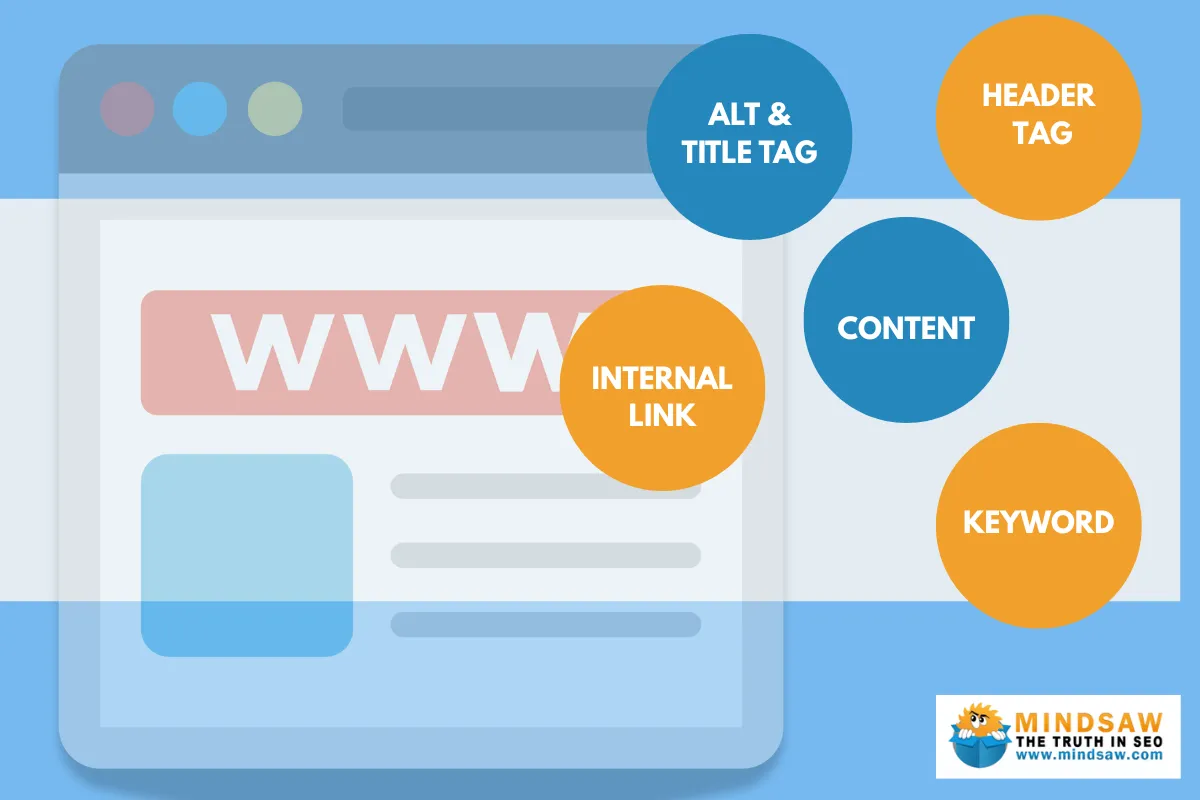
Optimizing Your Website’s Metadata and Headers
Metadata includes your website’s title and description in Google searches. Write clear titles and descriptions using local keywords like “dog grooming in Tampa” or “best hair salon in Denver.”
Adding structured data (also called schema markup) tells Google your exact business address and hours, helping you rank higher in local searches.
Enhancing User Experience for Local SEO Benefits
Make your website easy to use, especially on mobile phones. Fast-loading websites with simple menus and clear information help customers and make Google happy!
Step 8: Building Local Backlinks

Finding Local Link-Building Opportunities
Backlinks are links from other websites to yours. Find local websites or blogs and ask them to mention your business. Great places include local newspapers, community blogs, and websites of other local businesses.
Best Practices for Local Link Outreach
Be polite and offer value when reaching out. You could offer to write guest blog posts, sponsor a local sports team, or collaborate on community events.
Step 9: Monitoring and Measuring Your Local SEO Success
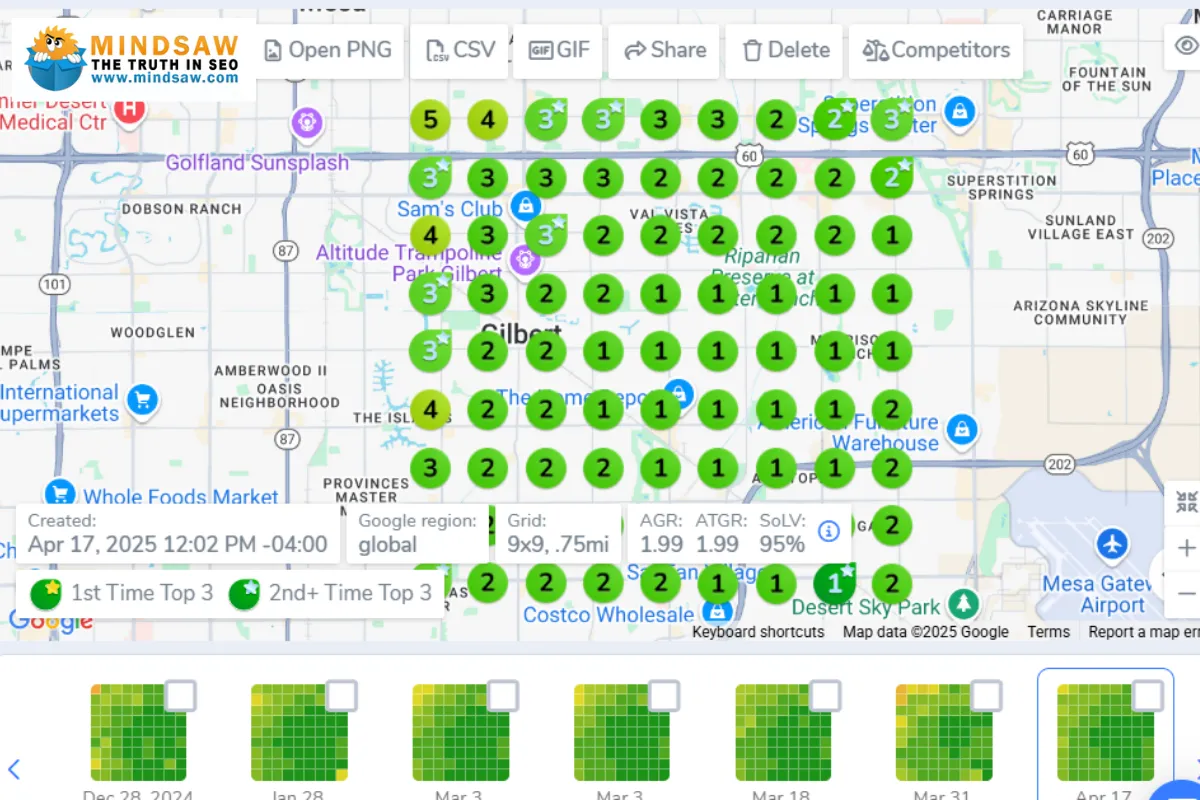
Key Metrics to Track for Local SEO
Check these regularly to see how well you’re doing:
- Your ranking in local searches.
- Traffic to your website from local searches.
- Calls or visits from your Google Business Profile.
Tools for Measuring Local SEO Performance
Free tools like Google Analytics and Google Search Console can help you see your progress clearly. Other tools like SEMrush or BrightLocal offer detailed local SEO tracking.
Local SEO Best Practices from Experts
Pro Tips for Quick Wins in Local SEO
- Double-check your Google Business Profile often.
- Encourage lots of genuine reviews.
- Create helpful local content regularly.
Common Mistakes to Avoid in Local SEO
- Inconsistent business information online.
- Ignoring customer reviews.
- Not optimizing your website for mobile phones.
Start Growing Your Business Today with Local SEO!
Now you have a clear, step-by-step guide to set up Local SEO for your small business. Start implementing these tips right away, and soon you’ll be seeing more local customers finding you online. Stay consistent, be helpful to your customers, and watch your business grow with strong Local SEO!
Local SEO Internet Marketing Service – Mindsaw

Are you a small business owner struggling to get noticed locally? At Mindsaw, we specialize in Local SEO internet marketing services designed specifically for your community. Our expert team boosts your visibility on Google Maps, manages your Google Business Profile, and ensures your website ranks high in local searches. With proven strategies, including targeted keyword research, powerful local citations, and engaging localized content, we turn your website into a magnet for local customers.
Let us help your neighbors find you first. Say goodbye to hidden rankings and hello to increased foot traffic, more phone calls, and higher sales. Your business deserves to be seen—let Mindsaw’s local SEO specialists make it happen. Ready to dominate local search results? Contact us today at (718) 227-2300 and see why we’re the trusted name in local SEO success!
Frequently Asked Questions (FAQ)
Is Local SEO Free?
Yes, local SEO can be done at no direct cost, especially if you’re doing it yourself. Many foundational tasks are free, such as optimizing your Google My Business profile, claiming your business listings on various online directories, and managing your social media profiles. These steps help attract potential customers without requiring paid ads. However, certain SEO tools and services like detailed keyword research or citation management may come with subscription fees.
Free ways to improve local SEO include:
- Setting up and optimizing your Google My Business account.
- Regularly updating your business details, including accurate business hours and physical address.
- Encouraging customers to leave positive reviews.
- Creating quality content using relevant keywords for your geographical location.
Paid tools or services, however, can streamline tasks like tracking SEO rankings or analyzing competitor strategies, making your efforts more effective. So, while local SEO isn’t inherently costly, investing in tools or professional help can significantly boost your results.
Do I Need a Website for Local SEO?
While it’s not mandatory, having a website greatly enhances your local SEO success. A website allows you to create detailed, location-specific content that attracts search engines and potential customers. Without a website, you’re limited primarily to business directories, social media pages, and your Google My Business profile.
Benefits of having a website include:
- Improved organic rankings by publishing fresh content regularly.
- Better control over your business details like your physical location, service offerings, and customer testimonials.
- Easier management of business schema markup, helping Google understand your business type clearly.
- The ability to capture inbound links from other websites significantly boosts your credibility.
If you cannot build a full website immediately, at least maintain accurate and detailed business listings across major platforms like Google My Business, Yelp, and Facebook. A well-designed website tailored to local searches ultimately provides long-term benefits and boosts trust.
How Long Does Local SEO Take to See Results?
Local SEO usually shows initial improvements within 2-3 months, but substantial results typically take between 6 to 12 months. It depends heavily on several factors:
- Competition level for your targeted search terms.
- Accuracy and consistency of your NAP citations (Name, Address, Phone).
- Volume and quality of online reviews—particularly the number of positive reviews compared to bad reviews.
- Quality and frequency of your location-specific content updates.
Here’s a general timeline you can expect:
- 1-3 Months: Improved business listings, verification on major citation sites, and initial setup of Google My Business.
- 3-6 Months: Better visibility in local search rankings, improved map pack rankings, and growing customer engagement.
- 6-12 Months: Significant gains in organic rankings, higher search volume, and more steady traffic from mobile search results.
Patience and consistency are key—local SEO results grow steadily, rewarding ongoing effort.
Do Paid Local Ads Help with Organic Local SEO?
Paid local ads don’t directly improve your organic rankings but can complement your local SEO strategy. Ads help increase visibility, attract immediate potential customers, and gather useful data like effective search terms or high-performing competitive keywords.
Advantages of combining paid local ads with your local SEO efforts:
- Quick visibility in a competitive geographical location or major city.
- Better understanding of which list of keywords generates the most leads.
- Increased brand awareness can lead to more online reviews and social mentions.
However, keep in mind:
- Paid ads do not directly influence your website’s organic search position.
- SEO improvements come from quality location-specific content, relevant inbound links, and accurate business schema markup rather than advertising spend.
Think of paid ads as a short-term boost to visibility, while local SEO is your long-term strategy for consistent growth.
Can I Do Local SEO Myself or Should I Hire an Agency?
Doing local SEO yourself is definitely possible, especially if your business has one individual location or a simple structure. Using basic resources like Google’s SEO configuration guide, optimizing your Google My Business, and creating regular quality content can achieve good results. DIY local SEO benefits include:
- Cost-saving for smaller budgets.
- Complete control over your strategy and messaging.
- Direct engagement with customers, allowing quick management of business hours, business details, and addressing customer feedback promptly.
However, hiring an agency is beneficial when:
- Your business is a multi-location business requiring complex management of multiple business listings.
- You lack time to maintain consistent NAP citations, manage business accounts, or handle bad reviews.
- You need professional-level keyword research, optimization for competitive keywords, and management of your SEO tool.
Evaluate your time, budget, and the complexity of your needs carefully before deciding. Many small businesses start with DIY and later transition to an agency as they grow.
Read Is Google Getting Rid of SEO? Understanding Algorithm Changes and Local SEO for Businesses