
If you run a business in Staten Island, being seen on Google Maps can make a big difference. Whether someone searches for a “Staten Island pizza shop near me” or “emergency plumber in Staten Island,” showing up at the top of the map can bring more phone calls, more foot traffic, and more potential customers.
This is where Google Maps SEO comes into play.
Local SEO (short for local search engine optimization) helps your business appear in the Google Maps SERP when people search for services nearby. It works through a tool called the Google Business Profile (formerly Google My Business), which connects your business information to people searching in your area.
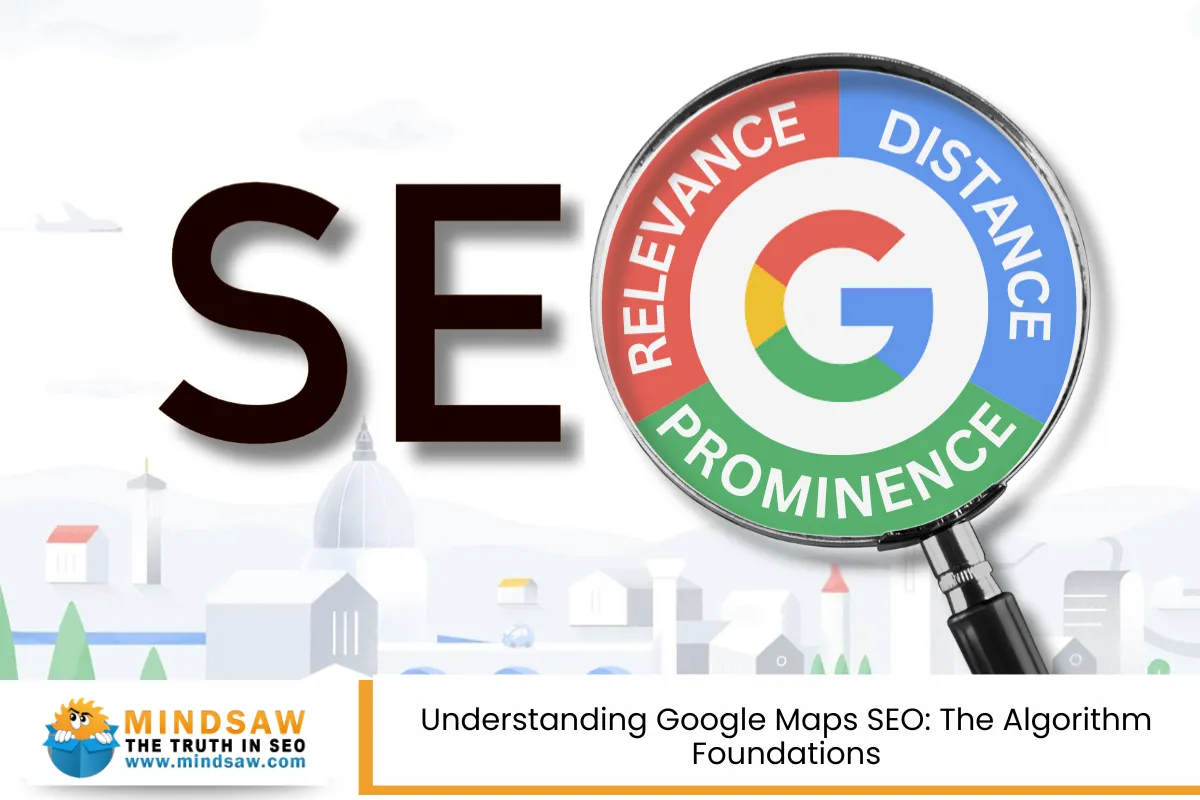
Google uses a special set of search algorithms to rank local results. These rankings are based on three main pillars:
- Relevance
- Distance
- Prominence
In this guide, we’ll explain how those search ranking factors work, what recent changes affect your visibility, and how businesses in Staten Island can get found more easily online.
Understanding Google Maps SEO: The Algorithm Foundations
Before you can rank, you have to understand how Google ranks.
A. The Three Core Ranking Factors
Google’s local search engine rankings are based on these three key factors:
- Relevance
This measures how well your Google Business Profile matches a user’s search query. For example, if someone searches for “Staten Island dog groomer” and your listing says “pet salon,” Google might not consider that a perfect match unless you include relevant keywords like “dog grooming.” - Distance
Google considers how far your business is from the location term used in a search query — or from the user’s current location. That’s why businesses closer to the searcher typically show up first in “near me” searches. - Prominence
This is about how well-known your business is, both online and offline. It includes things like:- Number and quality of online reviews
- Website authority (based on high-quality backlinks and link building)
- Quality citations on directories like Yelp and Apple Maps
- Articles, blogs, and unstructured citations mentioning your business
Key Algorithm Updates
Google updates its local search algorithms regularly. Here are some major updates that impact Staten Island businesses:
- Vicinity Update (2021):
This change gave more weight to proximity. It’s now harder for businesses to rank far outside their physical location — even if they have tons of positive reviews and a strong website. - Possum & Hawk Updates:
These cleaned up spammy or duplicate listings. If multiple similar businesses share an address (like in office buildings), Google may filter some out. - Review Diversity Update:
This algorithm filters over-optimized listings that rely on review spam from a single location or source. It encourages authentic customer reviews from real users.
Google Business Profile (GBP) Optimization
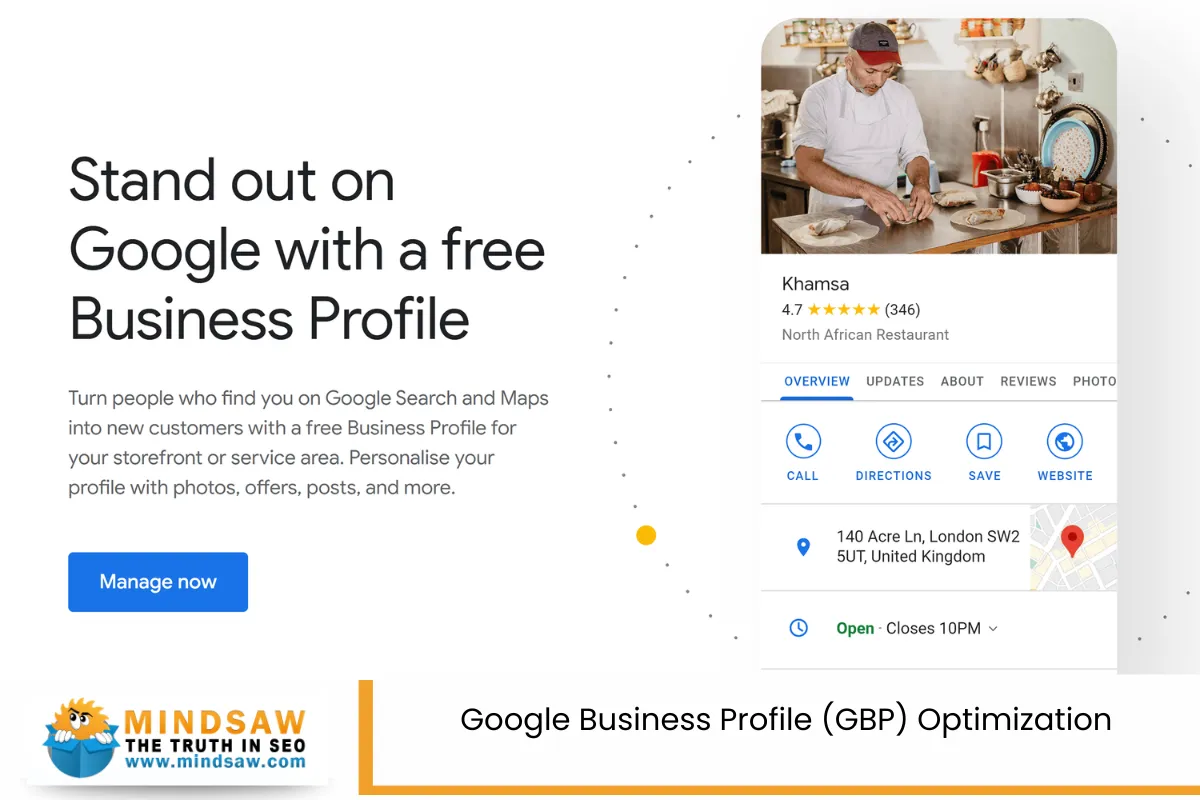
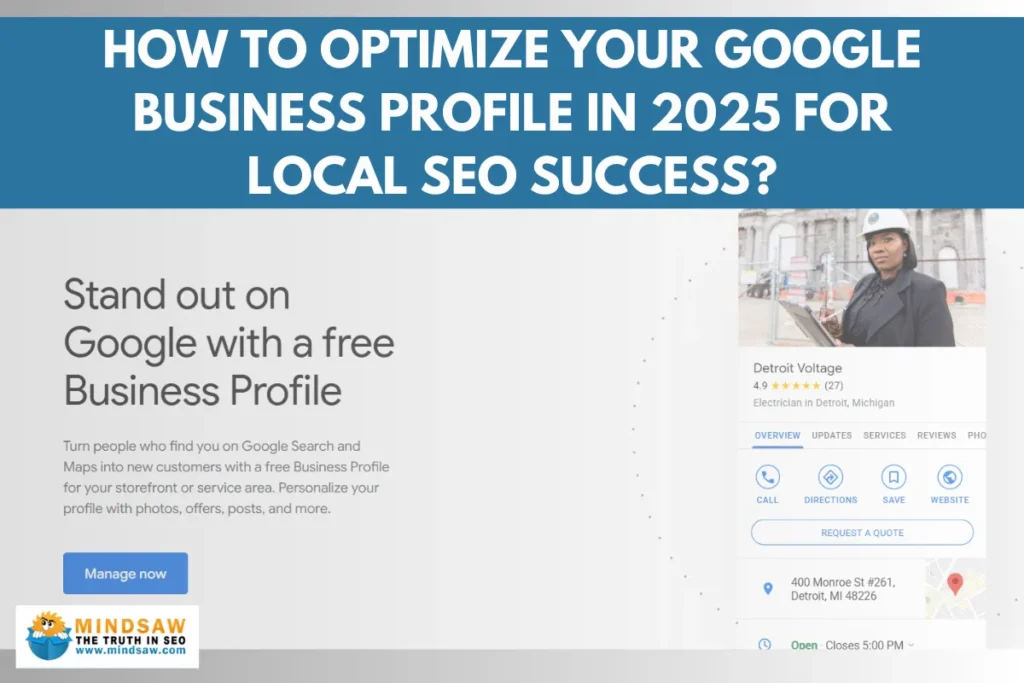
Your Google Business Profile (GBP) is one of the most powerful tools for improving your Google Maps SEO. It’s the first thing users see in local results, and it directly influences your search rankings.
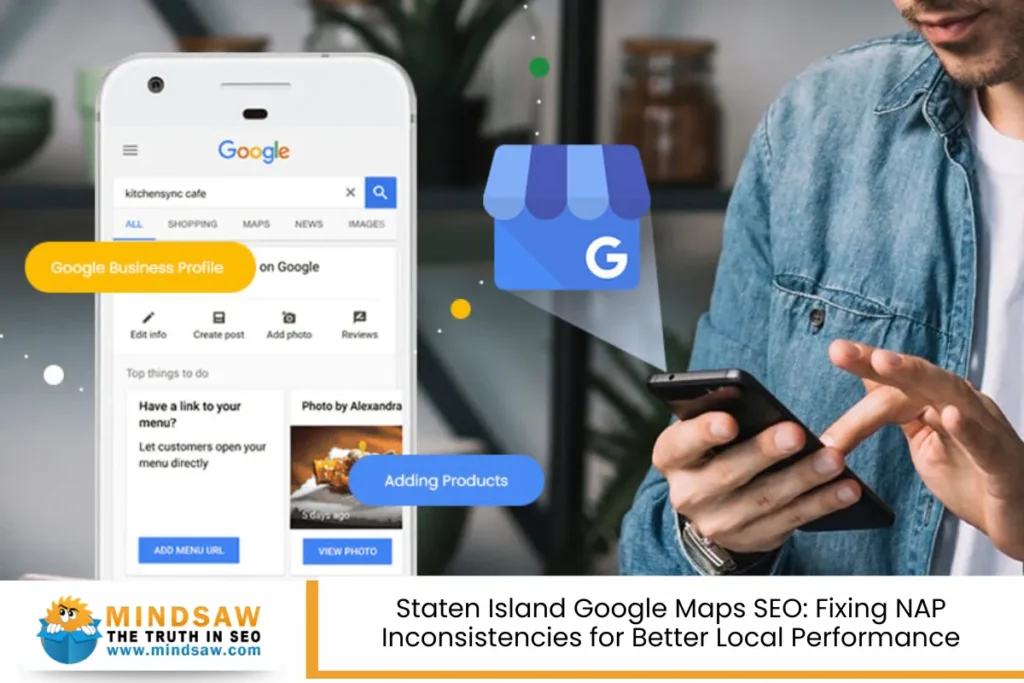
Accurate NAP (Name, Address, Phone) Consistency
Google wants to see that your business listings are accurate across the internet. This includes:
- Your business name, address, and phone number (called NAP) being exactly the same on:
- Your website
- Google Business Profile
- Directories like Yelp, Yellow Pages, and Apple Maps
Inconsistent info confuses both search engines and potential customers. Make sure your NAP is up to date everywhere.
Categories and Business Attributes
Choosing the right category helps Google understand your type of business. You can select one primary category and multiple secondary ones (this is where multi-category optimization comes in).
Also, don’t skip the “attributes” section. Adding things like:
- “LGBTQ+ friendly”
- “Wheelchair accessible”
- “Online appointments available”
…can improve your visibility and customer trust.
Description and Services Section
Your business description should:
- Use localized keywords (e.g., “Staten Island HVAC repair”)
- Include LSI terms like:
- “near me”
- “local service”
- “emergency [service] in Staten Island”
Also, list all your services — and use keyword-rich terms that reflect your actual offerings. This helps Google match you with the right search queries and boosts your profile engagement.
Reviews & User Engagement
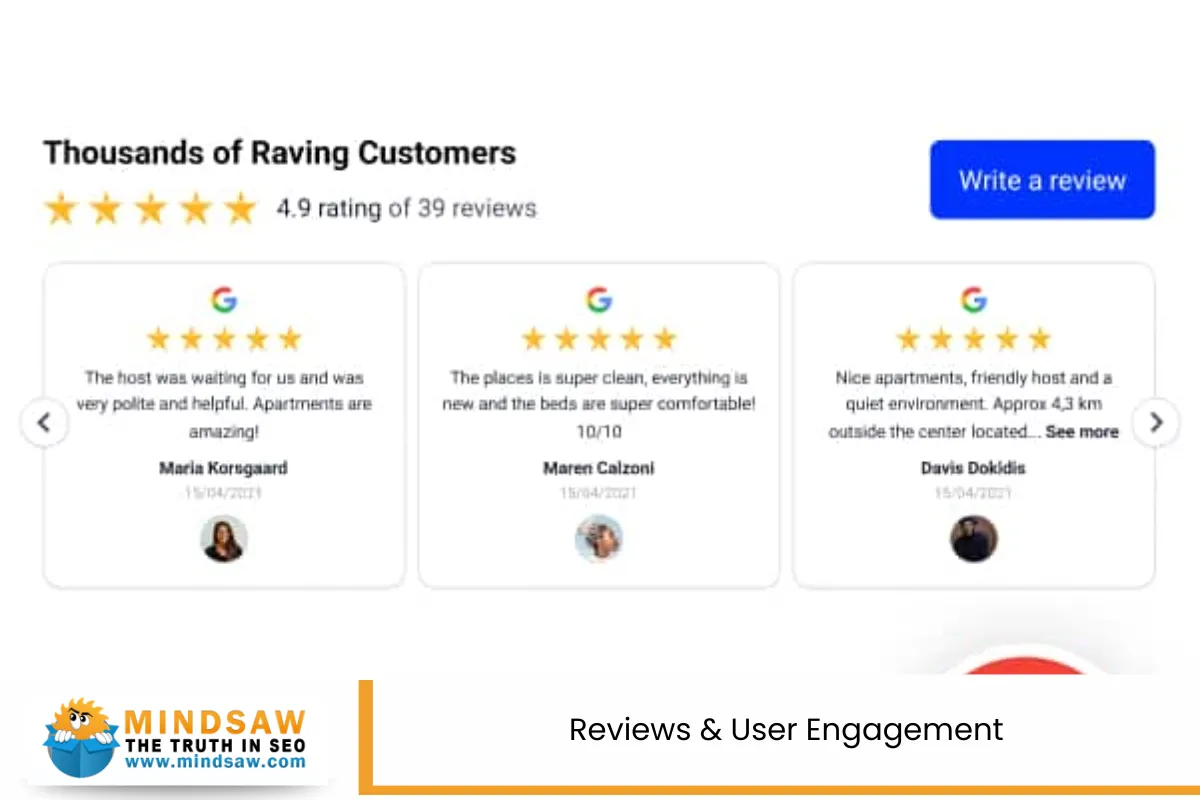
Customer feedback is one of the most important search ranking factors on Google Maps.
Importance of Review Quantity and Quality
Google tracks the number, quality, and freshness of your Google Reviews. To boost visibility:
- Encourage happy customers to leave positive reviews
- Respond to every review — yes, even negative reviews
- Use review platforms or automated reminders to increase your review count
- Monitor your review trends to spot areas for improvement
Tip: Report fake reviews using Google’s redressal form. They can hurt your trust score and rankings.
Behavioral Engagement Signals
Besides reviews, Google looks at how people interact with your listing. These actions boost your search engine rankings:
- People clicking “Directions”
- Phone calls directly from your listing
- Website visits
- Viewing your photos
- Interacting with your Google Posts
- Asking and answering questions in the Q&A section
All of this tells Google: “People are interested in this business,” which builds prominence and improves your Google Maps SEO.
On-Page SEO and Website Integration
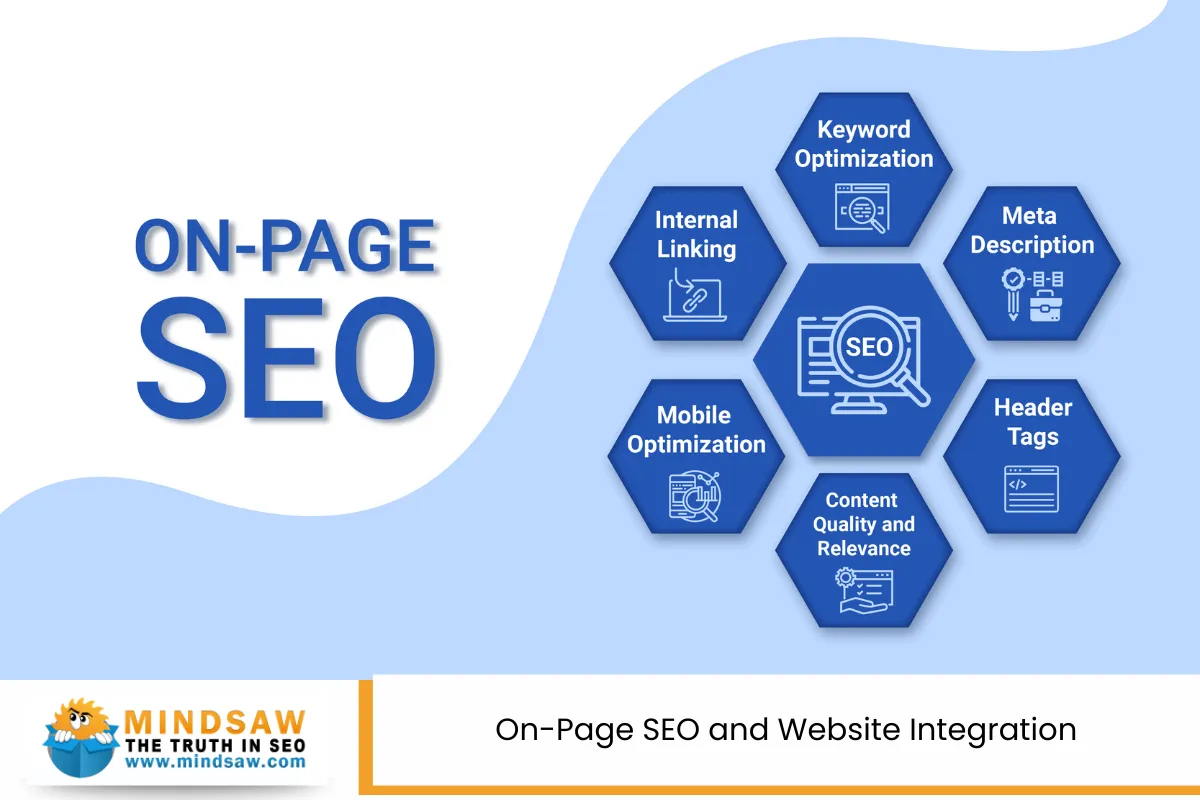
Your website still plays a huge role in local SEO. Google uses it to verify info on your Google Business Profile and to understand your relevant content.
Location Page Optimization
Make sure your site has Staten Island-specific landing pages with:
- Embedded Google Maps API widgets
- LocalBusiness schema markup
- Neighborhood names like Tottenville, St. George, or Great Kills
- Keywords like “best dentist in Staten Island” or “Staten Island auto repair near me”
This tells Google exactly where you are and what you offer.
Mobile Friendliness and Page Speed
Many users search on mobile, especially in Google Maps. Your website must be:
- Fast-loading (use tools like Google PageSpeed Insights)
- Mobile-optimized (responsive design or AMP)
- Clear and easy to navigate
And don’t forget to use internal links to connect related pages, and build high-quality backlinks from local sources to grow authority.
Local Citations & Backlinks (Prominence Signals)
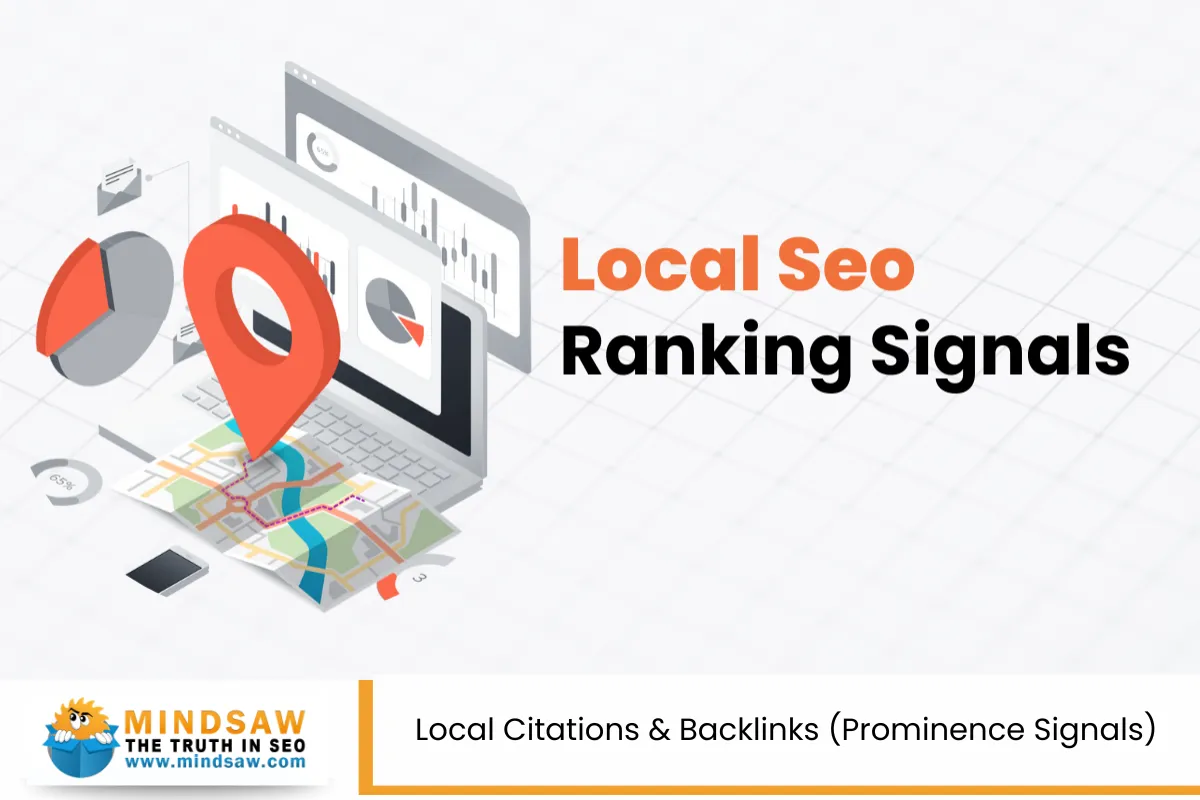
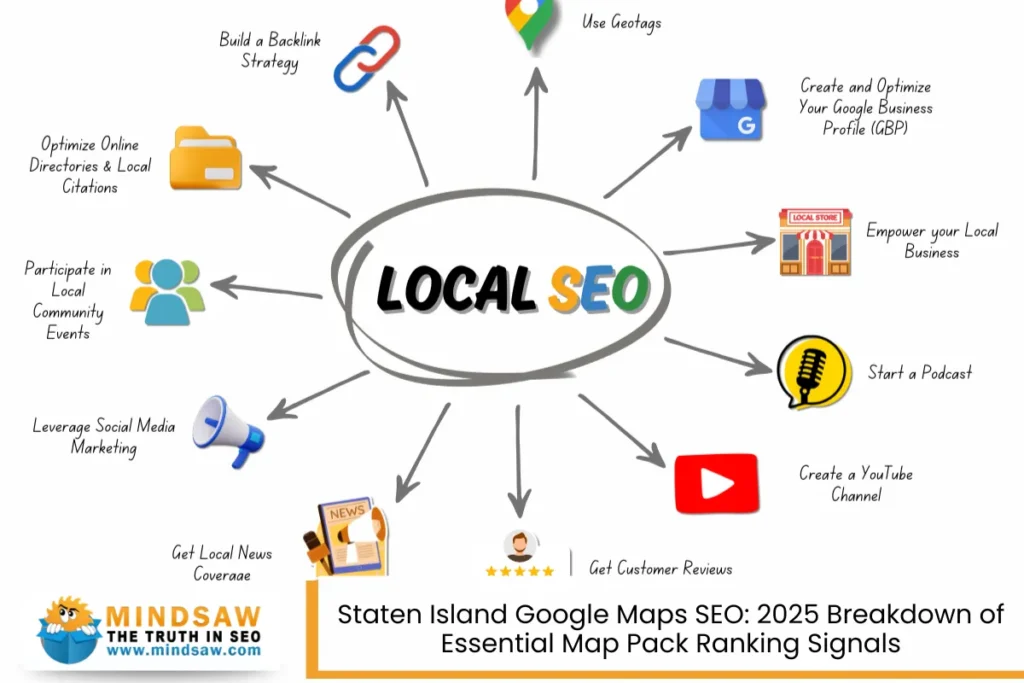
Google uses mentions of your business across the internet — known as citations — and backlinks from other websites to measure your online prominence. The more trustworthy your business looks online, the better your search rankings on Google Maps.
Structured vs. Unstructured Citations
Citations can be split into two categories:
- Structured Citations:
Listings on official business directories like:- Yelp
- Yellow Pages
- Apple Maps
- Chamber of Commerce websites
- Google Business
These include NAP (Name, Address, Phone) and sometimes your website URL.
- Unstructured Citations:
Mentions of your business on blogs, social media, news articles, or local event listings. These might not be formal directories, but they still influence search engine optimization.
📌 Consistency is key. If your business listings show conflicting info (like an old phone number), it hurts your credibility with search engines.
Local Backlink Building
Backlinks are links from other websites that point to yours. But not just any links — Google looks for:
- High-quality backlinks
- Authoritative backlinks from trusted sites
- Relevant backlinks from local or industry-related pages
For Staten Island businesses, focus on:
- Partnering with local blogs or nonprofits
- Getting featured in local media like Staten Island Advance
- Hosting or sponsoring community events
- Earning geo-modified anchor text (e.g., “best chiropractor in Staten Island”)
Use a backlink checker to identify gaps in your link profile and prioritize link building to outperform competitors.
Competitive Factors & Spam Defense

Sometimes, it feels like a business right around the corner is beating you in Google Maps SEO — even if you have better reviews. That’s often due to proximity, spam, or better engagement.
Competitor Proximity and Map Pack Clustering
Due to the Vicinity Update, Google heavily weighs how close a business is to the searcher. So even a lower-rated business that’s a block away might rank above you.
📍 But you can still stand out by:
- Improving customer reviews and review count
- Posting valuable content and updates often
- Boosting profile engagement (calls, clicks, etc.)
- Keeping your Google Business Profile fully optimized
Defending Against GMB Spam and Fake Listings
Unfortunately, some businesses create multiple fake profiles or stuff keywords in their names — both of which violate Google’s rules.
To protect your rankings:
- Flag fake or duplicate listings using Google’s Business Redressal Complaint Form
- Avoid spammy tactics yourself — they can get your listing suspended
- Keep a close eye on review trends and report fake reviews
Staten Island-Specific Strategies
Your local SEO efforts should reflect the communities you actually serve. Targeting Staten Island as a whole is great — but hyperlocal relevance boosts rankings even more.
Leverage Local Events & Neighborhood Pages
Each neighborhood in Staten Island has its own flavor — and people search that way too. Create pages or Google Posts that mention:
- Great Kills
- Tottenville
- New Dorp
- St. George
- Huguenot
Talk about local festivals, events, parades, and news. This kind of relevant content not only connects with real people but also with search engines.
Local Media & PR for Prominence
Appearing in trusted local outlets builds both trust and prominence in Google’s eyes.
Try to:
- Get listed in the Staten Island Advance directory
- Join local business associations
- Collaborate with local influencers or bloggers for online reviews and features
- Be active on social media profiles to build brand awareness and earn inbound links
These mentions act like quality citations and often come with authoritative backlinks to your site or Google Business Profile — both of which improve search engine rankings.
Ongoing Optimization and Performance Tracking
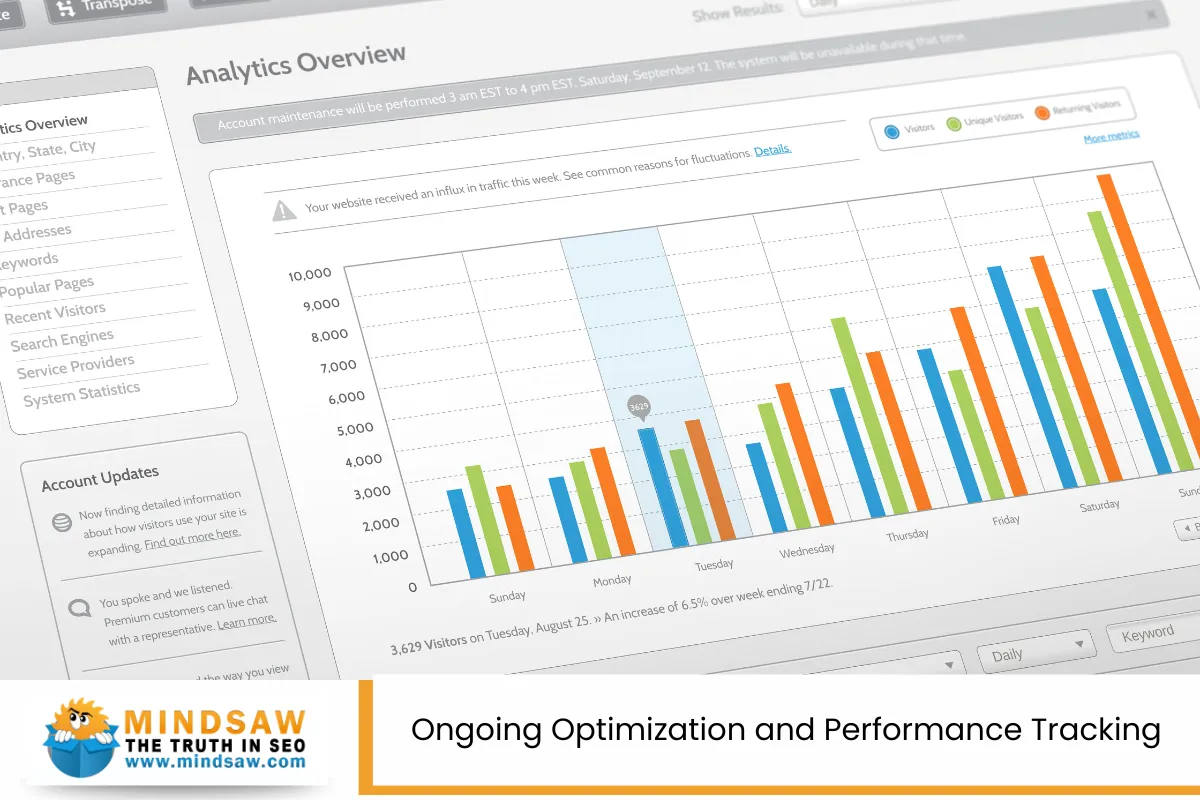
SEO isn’t one-and-done. To stay visible on Google Maps, you need to monitor your results and adjust as needed.
Recommended Tools:
- BrightLocal – Track local rankings, audits, and citations
- Whitespark – Manage and build local citations
- Rank Tracker – Keep an eye on your most important target keywords
- Google Business Insights – Measure phone calls, website clicks, direction requests, and profile engagement
Key Metrics to Monitor:
- Call and direction click-through rate
- Reviews and response activity
- Local Pack rankings for exact-match keyword searches
- Engagement with Google Maps Ads (if running them)
By regularly measuring and improving your efforts, you stay ahead of the competition and make the most of every search query that brings up your business.
Ready to Elevate Your Staten Island Business on Google Maps?
If you want your business to show up when people search “near me,” you need more than just a physical location — you need to optimize for how Google actually ranks local results.
We’ve covered everything from how search algorithms weigh relevance, distance, and prominence, to why your Google Business Profile should be treated like your digital storefront. You now know the power of:
- Accurate NAP consistency across all business listings
- Picking the right business categories and using relevant keywords
- Earning positive reviews and responding to negative reviews
- Building high-quality backlinks, winning local citations, and using user-generated content
- Writing valuable content with the right keyword suggestions
- Monitoring engagement, tracking performance, and staying current with content fresh and profile updates
Whether you’re running a basic business like a Staten Island barbershop or managing multi-category optimization for a law firm with multiple specialties, all of this directly impacts your search engine rankings.
The truth is: ranking in the Google Maps SERP isn’t about tricks. It’s about creating real value, building trust, and consistently sending Google the right signals through good content, helpful reviews, and clean data.
Staten Island Google Maps SEO – Mindsaw
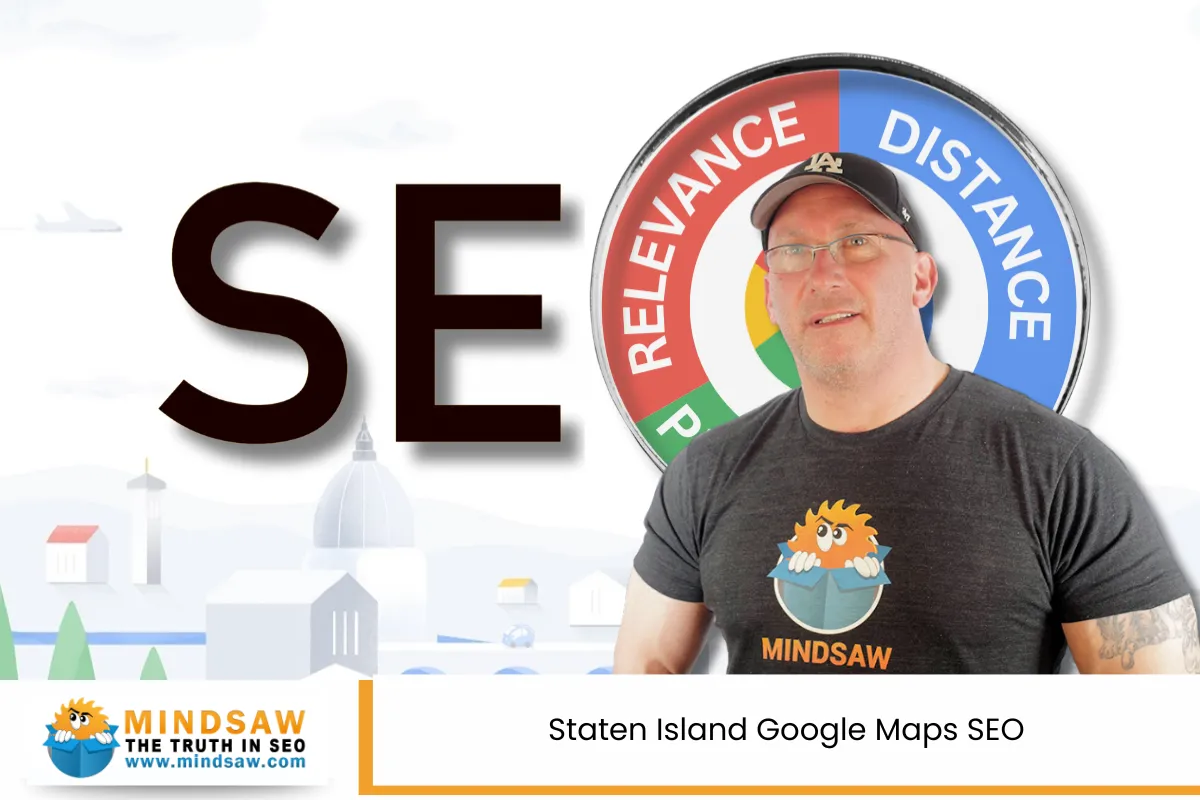
Looking to dominate local search and get your business to the top of Google Maps SEO results? Mindsaw is Staten Island’s trusted digital marketing partner, helping businesses just like yours get noticed by more customers—locally and globally. Whether you’re in New York, Canada, or Australia, our experts craft powerful strategies that improve your Google Business Profile, boost local visibility, and drive real results.
Don’t let your competitors outrank you in the local pack. Call us today at (718) 227-2300 or fill out our quick contact form to get started. From search engine optimization to review management, Mindsaw is here to help your business grow—on the map and beyond.
Frequently Asked Questions About Google Maps SEO on Staten Island
How does Google decide which Staten Island businesses appear in the local map pack?
Google uses a mix of ranking signals to decide which business search results show up in the Maps pop-up, especially for location-related searches. These include:
- Relevance – Does your business type match the search terms people are using?
- Distance – How close is your business location to the user at the time of the search activity?
- Prominence – What is your online presence like across online directories, directory listings, and social media platforms?
Google also considers:
- Customer engagement (clicks, calls, reviews)
- business hours and operating hours
- Your site’s domain authority
- Consistency across your list of categories and Predefined services
Search result personalization, mobile searches, and past search history also impact visibility. A well-optimized Google Business listing with accurate data, special promotions, and real satisfied customers helps your online visibility stand out across both desktop searches and organic search.
Why did my Google Maps ranking drop in Staten Island even though my reviews are good?
A drop in your SEO rankings on Google Maps—even with positive customer engagement—could be caused by several legitimate factors:
- Search algorithm update – Google regularly rolls out core updates or changes to its core ranking systems that shift how organic ranking is calculated.
- Competitor activity – Nearby businesses may have improved their SEO strategies, gained new directory listings, or added relevant services.
- Inconsistent information – If your NAP (Name, Address, Phone) or hours of operation are outdated in any online directories, it may affect your organic visibility.
- Spam score – Your listing could be penalized due to suspected keyword stuffing or reaction score from users reporting a negative experience.
Also, don’t underestimate search visibility changes from:
- An expired special promotion
- Changes in your Maps pop-up customization
- Reduced search features showing for your business location
Use tools like Link Intersection to compare your online presence against competitors and regain your organic traffic position.
How close does my business need to be to rank for “near me” searches?
Proximity plays a huge role in local SEO. The search algorithm update known as the “Vicinity Update” placed greater weight on how physically close your key business is to the person conducting the search activity.
Here’s how it works:
- Google calculates your relevance based on address search, business category, and customization menu options.
- If you’re not located within a certain radius of the searcher, your organic position in mobile users’ searches will decrease.
- Businesses located farther away will often lose out to closer competitors, even if they have higher SEO rankings or better user experience.
To improve your search presence despite this:
- Add accurate business location info
- Use keyword ideas that reflect your neighborhood
- Include hours of operation and Marketing taglines tied to the local area
- Update your Google Business profile with location-based terms of content
The more accurate and locally relevant your listing is, the stronger your search visibility for “near me” and relevant searches.
Do Google Maps rankings change based on time of day or user behavior?
Yes — Google’s core ranking systems often adapt based on search activity, user preferences, and context such as time of day.
Here’s what changes rankings dynamically:
- Operating hours: Listings open at the time of the search may rank higher.
- Behavioral signals: Repeated clicks, taps on drop-down menu options, and search features used often increase a business’s trust and organic ranking.
- Search history: Previous visits to or interest in similar businesses may influence personalized results.
This especially affects:
- Mobile searches conducted during peak times
- desktop searches with high competition
- Searches involving special promotions or additional categories that only some businesses use
If a user shows consistent interest in a business type, Google adjusts rankings accordingly, favoring a more personalized user experience. So it’s crucial to maintain online visibility across all platforms and keep your directory listings updated for every scenario.
What’s the fastest way to improve my Google Maps visibility in Staten Island?
To increase your search visibility fast, focus on a few key actions that signal value to Google’s ranking signals engine:
- Fully optimize your Google Business profile:
- Add all Predefined services
- Include accurate operating hours
- Use strong Marketing taglines with relevant searches
- Increase activity and customer engagement:
- Post updates and special promotions
- Ask satisfied customers for reviews on a city-wide review platform
- Respond quickly to every review, especially negative experience comments
- Improve off-site trust:
- Submit your site to online directories
- Get high-authority backlinks from Search Engine Land, local media, and prospective domains
- Make sure your directory listings and drop-down menu items are clean and consistent
- Monitor your spam and spam score, and flag fake listings in your area.
Lastly, use Link Intersection tools to compare where your competitors are earning links and where you can increase your traffic acquisition for better search ads and organic ranking growth.
Read more Google Maps SEO for Local Service Businesses: Dominate Your Area in 2025