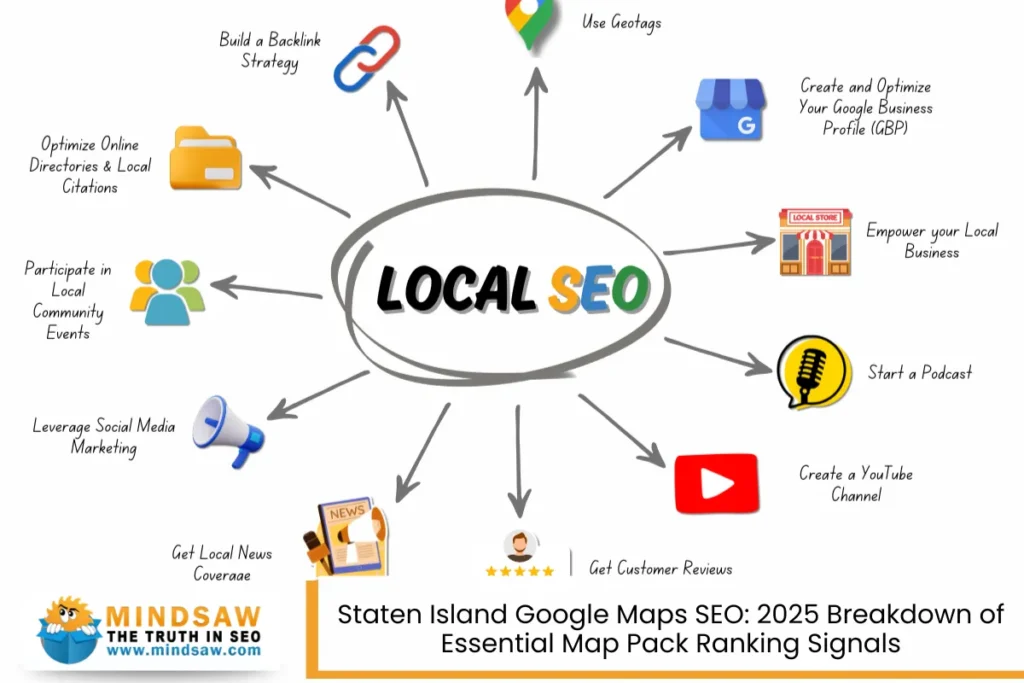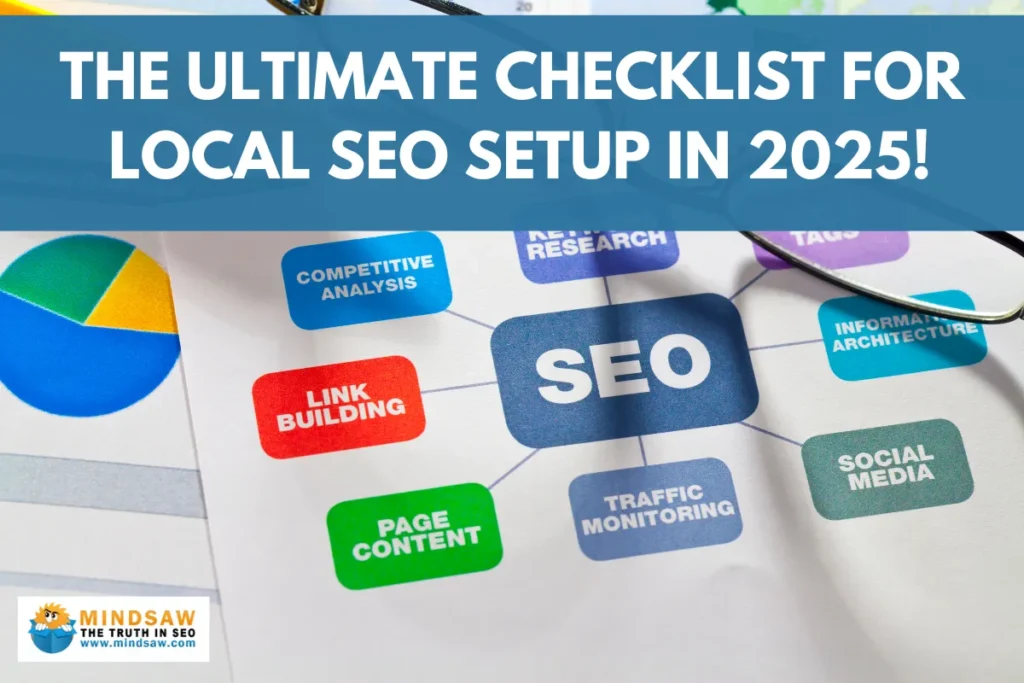

Local SEO is the secret sauce for helping your business show up when people nearby search for your services. Whether you’re a small shop owner, a service provider, or run an internet marketing service, having a solid local SEO setup in 2025 can mean the difference between staying hidden or being the first choice on Google. This guide is packed with simple, step-by-step tips to help you set up everything properly—no confusing jargon, just helpful advice anyone can follow.
1. Get Your Website Ready First

Before we dive into maps, reviews, or rankings, you need to start with your own website. It’s your home base on the internet.
- Make it mobile-friendly – Most people use their phones to search, so your site must look great and load fast on small screens.
- Use HTTPS – A secure website builds trust. If your URL starts with “https,” you’re good.
- Use clean URLs – Simple links like “/contact” or “/about” are easier for Google and users to understand.
- Have a sitemap and robots.txt – These files help search engines crawl your website the right way.
- Add local business schema – Schema is a bit of hidden code that helps search engines understand your business info (like address, hours, etc.).
2. Set Up Tracking and Tools

To know what’s working (and what’s not), you need to track how people find and use your site.
- Google Search Console – This free tool shows how your site is doing on Google and helps fix issues.
- Bing Webmaster Tools – Don’t forget Bing! It’s another search engine some people use.
- Google Analytics 4 (GA4) – This tool shows how visitors interact with your website. You’ll see what pages they visit, how long they stay, and more.
3. Google Business Profile: Your Local Powerhouse

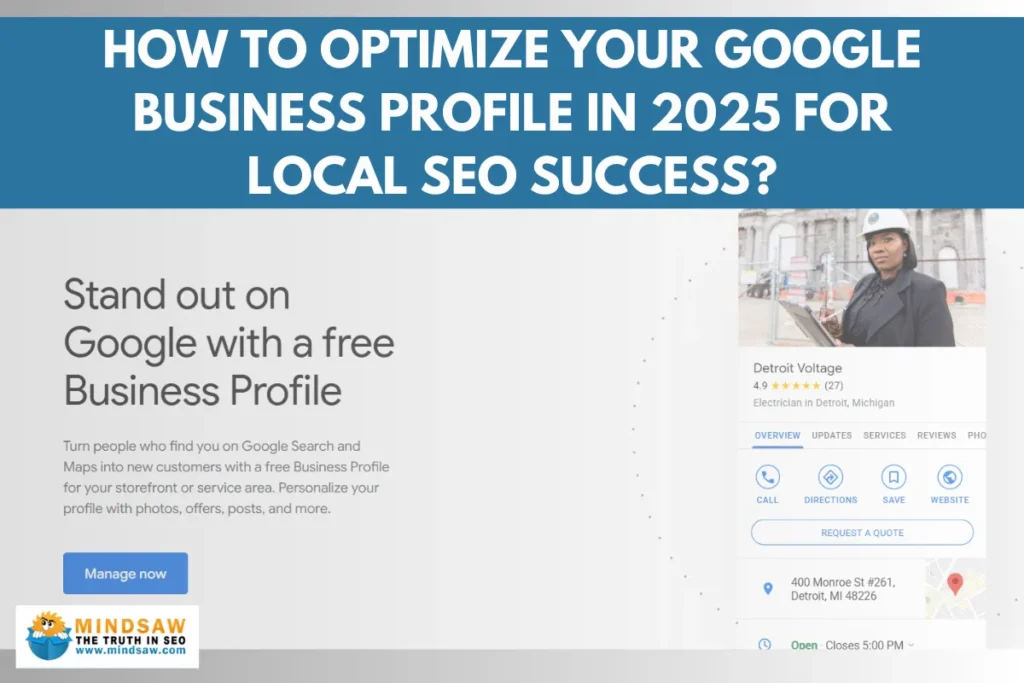
If there’s one thing that can supercharge your local SEO, it’s your Google Business Profile (GBP).
- Claim and verify it – Make sure you’re the owner of your listing so you can update it.
- Fill out everything – Add your business name, categories, address, phone number, hours, and website.
- Add real photos – Show people what your place looks like, or showcase your work and staff.
- Post updates – Treat your profile like social media. Share promos, updates, or helpful tips.
- Answer questions – People can ask questions on your profile. Keep up with them and respond clearly.
4. Do Smart Keyword Research and Use It Wisely

You want to show up when someone searches “best pizza near me” or “local electrician.” That’s where keyword research comes in.
- Look for long-tail keywords – These are longer phrases like “affordable roofing company in Staten Island.”
- Use your city or neighborhood – Always include local terms to help your business rank where you actually serve.
- Use keywords naturally – Sprinkle them into your titles, headings, and paragraphs without overdoing it.
Now apply them on-page:
- Title tags and meta descriptions – These show up in search results. Make them catchy and clear.
- Headings (H1, H2, etc.) – Organize your page with headings that include important keywords.
- Images – Add helpful alt text that describes the image using relevant local terms.
- Content – Write for humans. Use simple, clear language that explains who you are and what you do.
5. Build Local Listings and Get Found Everywhere

Your business needs to be listed in the right places across the internet. These are called citations, and they boost your visibility.
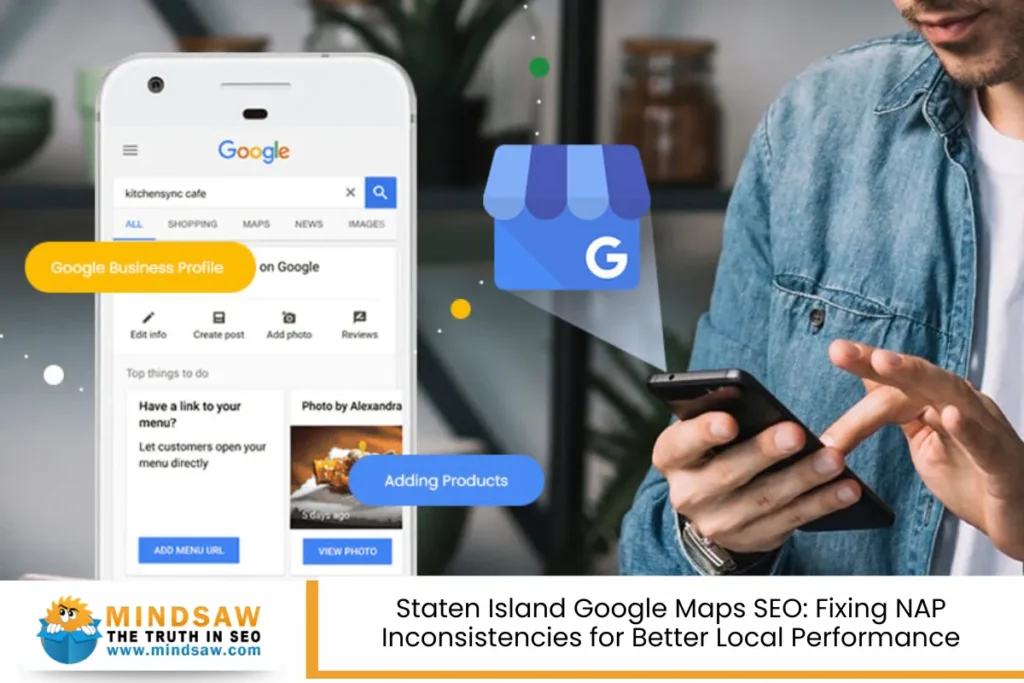
- Keep your NAP consistent – NAP stands for Name, Address, and Phone Number. Use the same version everywhere.
- Use trusted directories – Add your business to Yelp, YellowPages, and others that are popular and trustworthy.
- Update listings – If your hours or address change, update it everywhere.
6. Get Those Reviews – They Matter!

Online reviews can make or break a local business. People trust them, and so does Google.
- Ask happy customers to leave reviews – A simple ask after a job or service goes a long way.
- Respond to every review – Be polite, grateful, and professional—even with the negative ones.
- Monitor platforms regularly – Keep an eye on sites like Google, Yelp, and Facebook for new reviews.
7. Get Local Links to Build Trust

Backlinks—when other websites link to yours—are like digital votes. The more you have from trustworthy local sources, the better.
- Sponsor local events or teams – They’ll often link back to your site.
- Work with local bloggers or influencers – Ask them to feature your service or product.
- Write helpful local content – Make guides, checklists, or “best of” lists related to your area or service.
8. Fix Technical Issues That Hold You Back

Sometimes small tech issues can hurt your chances of showing up in searches.
- Improve your site speed – People won’t wait around for a slow site to load.
- Fix broken links – Double check for links that don’t go anywhere.
- Use structured data – This tells search engines more about your content, especially your business info.
9. Get Ready for Voice Search

With smart speakers and phones, voice search is growing fast. People say things like “Where’s the nearest locksmith?” and expect answers.
- Use natural phrases – Write your content like how people talk.
- Target “near me” and question-based searches – Example: “What’s the best dentist near me?”
- Use short, clear answers – Especially in FAQ sections. Voice assistants love these.
10. Track, Learn, Improve

Local SEO isn’t “set it and forget it.” You have to keep checking what’s working.
- Use local rank tracking tools – See where you show up in Google for certain searches.
- Check traffic sources in GA4 – See if people are finding you from Google Maps, Yelp, Bing, etc.
- Tweak and test – If something’s not working, try new keywords or improve your content.
Stay Ahead with Smart Local SEO in 2025
If you want your business to stand out in search this year, follow this checklist and stay consistent. Whether you’re a plumber, a boutique owner, or an internet marketing service helping others grow, local SEO is your ticket to being seen. Focus on real connections, clear information, and always think like your customer. Search engines love helpful content—and so do people.
Want your business to shine in 2025? Start with this checklist and keep showing up where it matters most: right in your local community.
Local SEO Internet Marketing Service – Mindsaw

Ready to take control of your local visibility in 2025? At Mindsaw, we specialize in local SEO strategies that help businesses like yours get found exactly where it matters—on Google Maps, in the local 3-pack, and across every major platform your customers are searching. Whether you’re a startup or an established brand, our tailored internet marketing service is built to bring real results, not just rankings. From optimizing your Google Business Profile to fine-tuning your website with city-specific content, we cover every box on your Local SEO checklist—so you don’t have to. With Mindsaw, you’ll get expert support, clear communication, and a strategy that’s built for long-term success. Let your business stand out in your neighborhood and beyond. Call us today at (718) 227-2300 or visit us online to schedule your consultation. We’re here to make local marketing simple—and powerful.
Frequently Asked Questions – Local SEO Setup in 2025
What’s the difference between local SEO and traditional SEO?
Local SEO focuses on helping businesses rank in search results for location-based searches—things like “coffee shop near me” or “plumber in Brooklyn.” It’s all about being visible to people in your local area. Traditional SEO, on the other hand, is broader and aims to rank content nationally or globally for general searches, like “how to fix a leaky faucet.”
With local SEO, the goal is to show up in local map packs, Google Business Profiles, and searches that include city names or “near me” phrases. It relies more on proximity, local relevance, reviews, and directory listings. If you’re a local business that serves a specific area, local SEO is what you need to focus on.
How long does it take to see results from local SEO efforts?
Local SEO isn’t instant—it’s a steady process. Most businesses start to see noticeable improvements in their rankings and local visibility within 3 to 6 months of consistent effort. That includes optimizing your Google Business Profile, building citations, collecting reviews, and improving on-page SEO.
However, timing depends on factors like your competition, the size of your city, how well your website is set up, and whether you’re starting from scratch. Businesses in highly competitive niches or big cities might take a bit longer. The key is staying consistent and making sure your information stays accurate across all platforms.
Do I need a physical address to do local SEO?
Yes—and no. If you want to show up in the local map pack (the section with the map and top 3 businesses), having a physical address in the city you’re targeting is essential. That’s how Google determines proximity and includes you in location-based results.
But if you’re a service-area business (like plumbers or mobile locksmiths), you can hide your address in your Google Business Profile and list the areas you serve instead. You won’t show up on the map itself, but you can still rank locally by optimizing your service area, creating location-based pages on your website, and getting local backlinks.
Is it possible to rank in multiple cities with local SEO?
Yes, but it takes careful planning. If your business serves multiple cities or towns, you’ll need to create individual pages for each location on your website. These pages should have unique content that speaks directly to that specific area—think local services, testimonials from local customers, and city-specific keywords.
You should also build citations and directory listings for each location if possible. Just don’t use fake addresses or PO boxes. That can get your listing suspended. Focus on relevance, value, and being as specific as possible with your service area content.
What are some common mistakes to avoid in local SEO?
There are a few missteps that can hurt your chances of showing up locally. Here are some of the most common:
- Inconsistent NAP info – If your name, address, or phone number is even slightly different across directories, Google may not trust your listing.
- Ignoring your Google Business Profile – A half-filled profile or one without posts, photos, or reviews tells search engines you’re inactive.
- Keyword stuffing – Overusing local keywords makes your content unreadable and could harm rankings.
- Fake reviews – Don’t pay for reviews or create fake ones. They’re easy to spot and can get you penalized.
- Using stock content for multiple cities – If you copy-paste the same info across city pages, Google will likely ignore them.
Avoiding these mistakes and following a proper checklist will put you in a strong position to grow your visibility locally.
Read Top 10 Local SEO Ranking Factors Every Business Should Know