
If you want your business to show up when local customers search online, you need to get Local SEO right. Local SEO is all about helping people find your business in their area—on Google Maps, search results, or even voice search. Whether you own a bakery, a repair shop, or an internet marketing service, avoiding simple mistakes can make a big difference in getting noticed online.
Let’s explore the most common Local SEO mistakes that hurt businesses—and how to fix them quickly and easily.
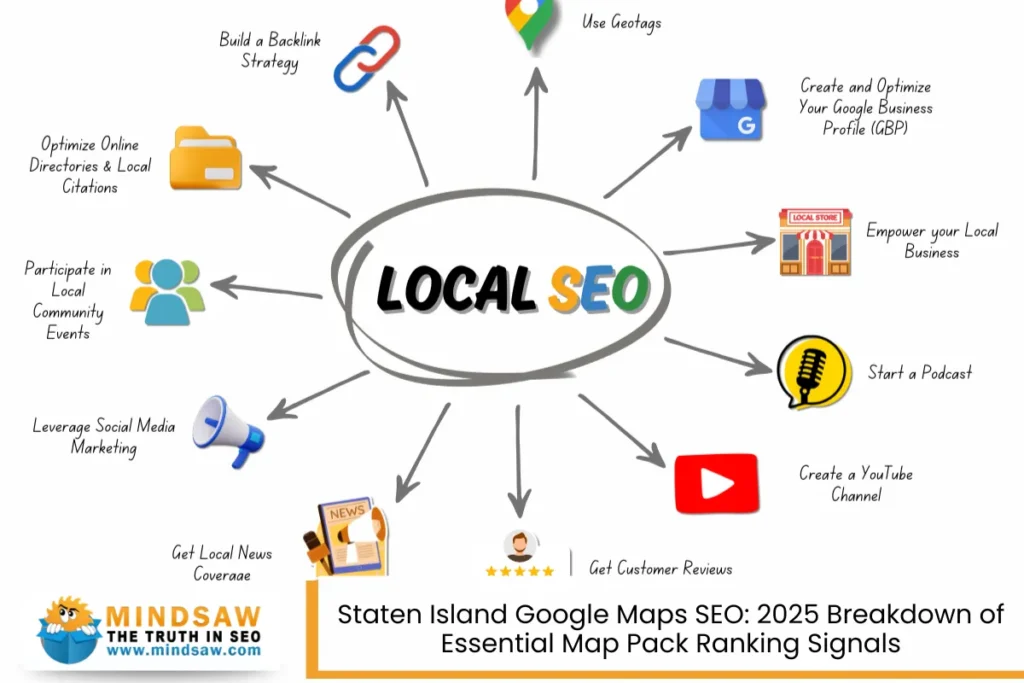
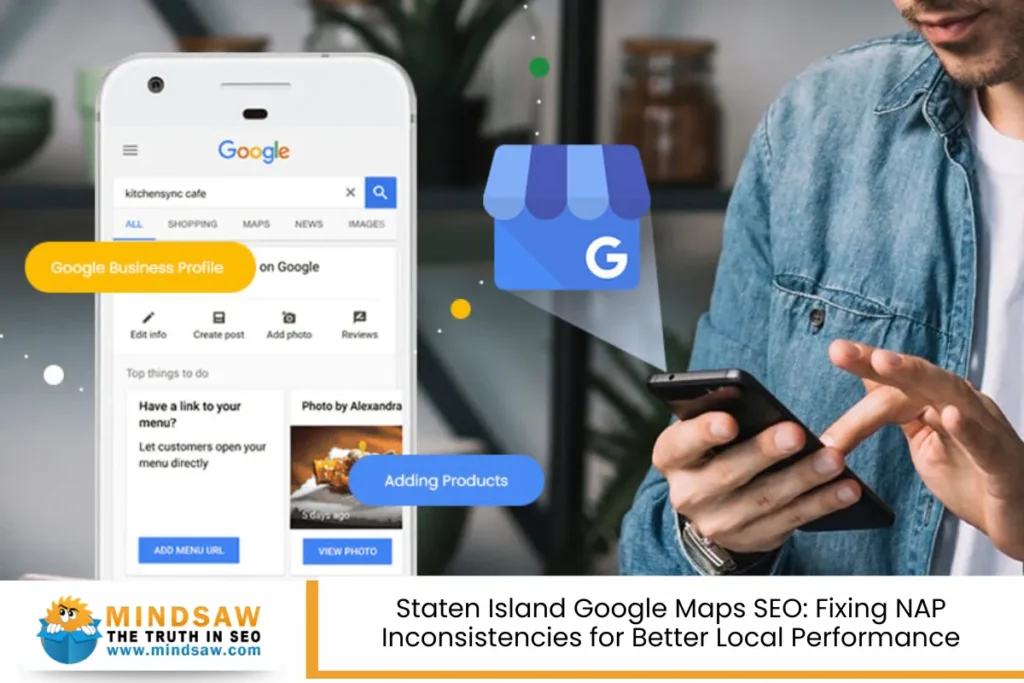
Mistake #1: Forgetting to Set Up or Update Your Google Business Profile

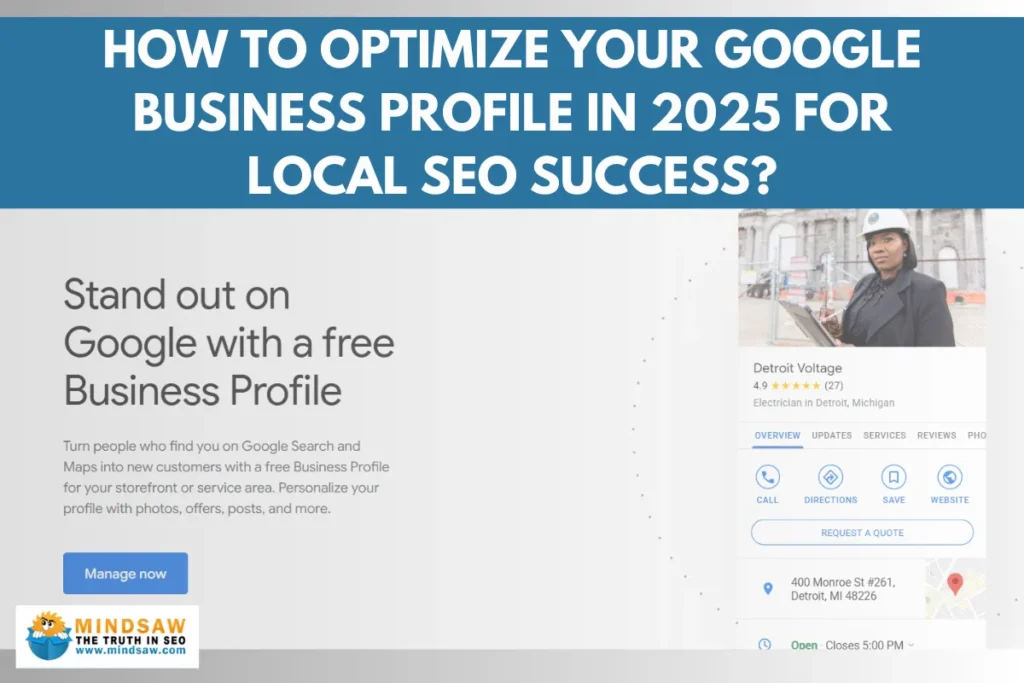
Your Google Business Profile (GBP) is one of the most important tools for Local SEO. It’s what shows up when someone Googles your business name or types in something like “plumber near me” or “best pizza in town.”
Common Problems:
- You never claimed your business on Google.
- Your business info is missing or wrong (like the phone number or hours).
- You haven’t added photos, services, or updates.
What You Should Do:
- Claim your listing on Google and make sure it’s verified.
- Keep it updated with the correct address, hours, and contact info.
- Add photos and a short description about what your business offers.
- Use relevant categories like “internet marketing service,” “auto repair,” or “dog groomer” to match what people are looking for.
Having a complete and active Google profile helps your business show up more often—and makes you look trustworthy.
Mistake #2: Messy or Inconsistent Business Info (NAP)

NAP stands for Name, Address, and Phone Number. If this information is different on your website, Yelp, Facebook, or other directories, search engines can get confused—and so can your customers.
Common Problems:
- Your address is listed with a typo on one site.
- You moved to a new location but forgot to update it everywhere.
- Your business has multiple names or phone numbers listed online.
What You Should Do:
- Make sure your NAP is exactly the same on every site.
- Check and correct any old or duplicate listings.
- Use a citation tool or do a manual audit to keep things clean.
When your information is consistent across the web, search engines trust it more—and your business ranks higher in local results.
Mistake #3: Ignoring Customer Reviews

Online reviews do more than just help people decide if they want to try your business—they’re also a big Local SEO signal.
Common Problems:
- You don’t ask customers to leave reviews.
- You only have a few reviews or none at all.
- You ignore bad reviews or don’t respond to any.
What You Should Do:
- Ask happy customers to leave a review (it’s okay to remind them!).
- Respond to both good and bad reviews politely and professionally.
- Thank people for their feedback and fix any issues if needed.
Reviews make your business stand out and show Google (and potential customers) that you’re active and reliable.
Mistake #4: A Website That’s Not Ready for Local Searches

Even if your Google profile looks great, your website still matters a lot for Local SEO. Google checks your site to see if it’s helpful, fast, and local.
Common Problems:
- Your website doesn’t mention your city or the areas you serve.
- It’s slow to load or hard to use on a phone.
- It doesn’t have your business name, address, or phone number on the page.
What You Should Do:
- Use local keywords naturally, like “window cleaner in Tampa” or “internet marketing service in San Diego.”
- Add location pages if you serve more than one city.
- Make sure your site works well on phones and loads quickly.
- Include your NAP info on every page, usually in the footer.
A fast, mobile-friendly site with local content helps search engines know you’re legit—and helps people find you more easily.
Mistake #5: Skipping Local Backlinks

Backlinks are when other websites link to yours. For Local SEO, it’s even better when those links come from other local sources.
Common Problems:
- You’re not listed on local directories or blogs.
- You don’t work with other businesses in your area.
- You’ve never thought about backlinks at all!
What You Should Do:
- Join your local chamber of commerce and ask for a website link.
- Offer to write guest posts for local blogs.
- Sponsor local events or schools and ask for a mention online.
Backlinks from local websites show search engines that you’re part of the community, which helps boost your visibility in local searches.
Mistake #6: Not Tracking What’s Working (Or What’s Not)

How do you know if your Local SEO is working? If you’re not tracking things, you’re just guessing.
Common Problems:
- You’re not checking your local rankings or website traffic.
- You don’t know how many people call or visit your business from Google.
- You aren’t using tools to track your performance.
What You Should Do:
- Set up Google Analytics and Google Search Console (they’re free).
- Use your Google Business Profile dashboard to track views, calls, and directions.
- Check your keyword rankings and traffic sources regularly.
Watching your numbers helps you improve over time—and avoid wasting effort on things that don’t work.
Keep Your Local SEO Game Strong
Avoiding these common Local SEO mistakes is one of the smartest ways to grow your business. Whether you’re running a cozy coffee shop or a nationwide internet marketing service, showing up in local search results can bring in more calls, more visits, and more customers.
Keep your info accurate, connect with your community, update your listings, and stay active online. The better your Local SEO, the easier it is for people nearby to find—and choose—you.
Local SEO Internet Marketing Service – Mindsaw

Struggling to get your business seen online? At Mindsaw, we specialize in Local SEO and provide powerful internet marketing services that help local businesses rank higher on Google Maps, attract more foot traffic, and turn searches into sales. From fixing Google Business Profile issues to cleaning up your citations and boosting local rankings, we handle all the mistakes mentioned above—so you don’t have to.
With over 20 years of experience, our team knows exactly what it takes to get your business noticed by the right people in your area. Whether you’re just getting started or need to fix past SEO mistakes, Mindsaw offers expert strategies tailored to your goals.
Don’t let simple SEO errors cost you business. Call us today at (718) 227-2300 or visit us online to see how we can help you grow locally—and fast. Your next customer is searching for you right now. Let’s make sure they find you!
Frequently Asked Questions About Common Local SEO Mistakes
These frequently asked questions dive deeper into the local SEO optimization process—especially the common mistakes businesses often miss. Each answer is designed to give you helpful, practical advice to strengthen your local search presence and avoid pitfalls.
How does keyword stuffing hurt my Local SEO performance?
Keyword stuffing is when you use the same keyword over and over in your content, trying to trick search engines into ranking your page higher. For example, if you repeat “best pizza in Chicago” five times in one short paragraph, it starts to feel unnatural.
This actually hurts your rankings because search engines are much smarter today. They look for natural, helpful content that reads well—not robotic keyword-packed paragraphs. When Google senses you’re trying to game the system, it may lower your visibility or even flag your page.
Instead, use your main keyword naturally and mix in related terms (called LSI keywords), like your service area, industry-specific phrases, and what people are really searching for. Write for your audience first, then optimize for search.
Is it a mistake to only focus on Google and ignore other local directories?
Yes, focusing only on Google is a mistake many businesses make. While Google Business Profile is essential, there are other platforms that also affect how people find your business online—like Yelp, Bing Places, Apple Maps, Facebook, Yellow Pages, and niche-specific directories.
Ignoring these can mean missed traffic, lower trust, and weaker local signals. For example, if your info is correct on Google but outdated on Yelp or Facebook, customers might see different hours, addresses, or phone numbers—and choose a competitor instead.
Make sure your Name, Address, and Phone Number (NAP) are consistent across all platforms. This builds trust with both search engines and customers.
Why is duplicate content a problem for Local SEO?
Duplicate content happens when the same text appears on multiple pages of your site—or across different websites. For Local SEO, this is a common issue when businesses use location pages but copy-paste the same content for each city or service area.
Search engines may not know which page to rank, or they may see your site as low-quality. It also confuses users who are looking for specific, relevant information for their area.
To avoid this mistake:
- Customize each page with unique details about the service, city, landmarks, or customer needs.
- Write content that speaks directly to the local audience in that area.
This helps your site stand out in local results and makes visitors more likely to trust and contact you.
Can having multiple Google Business listings hurt my Local SEO?
Yes, having multiple Google Business listings for the same business at the same location is considered a violation of Google’s guidelines. It can result in:
- Merged listings
- Suspensions
- Complete removal of your listing from Google Maps
Some businesses try to create multiple listings using different phone numbers or slight variations in name to rank for more keywords—but this usually backfires.
To stay safe and perform well:
- Only create one verified listing per business location (unless you have separate departments or practitioners, which follow special rules).
- Keep all info accurate, up to date, and consistent with your website and citations.
Why is it a mistake to ignore voice search and mobile optimization in Local SEO?
Voice search is growing fast, and most of it is local in nature. People ask things like, “Where’s the nearest locksmith?” or “Find a good internet marketing service near me.” These voice searches happen mostly on mobile devices—and if your site isn’t mobile-friendly, you’re missing out.
If your site:
- Loads slowly,
- Is hard to read or navigate on a phone, or
- Doesn’t include location-based keywords in a conversational tone…
…then it won’t show up in voice search results.
To fix this:
- Make your website mobile-responsive.
- Use natural language and questions in your content.
- Focus on local keywords that sound like how people actually talk.
Voice search is a huge opportunity—and optimizing for it makes your business more visible, especially to people who are ready to act fast.
Read Local SEO Tools That Actually Work: Free & Paid Options Compared