AI Search Visibility Score: What It Means for Home Service Businesses
An AI visibility score rates how easily tools like ChatGPT and Google’s AI answers can read, trust and quote your site. Treat it as a checklist, not a promise of calls.
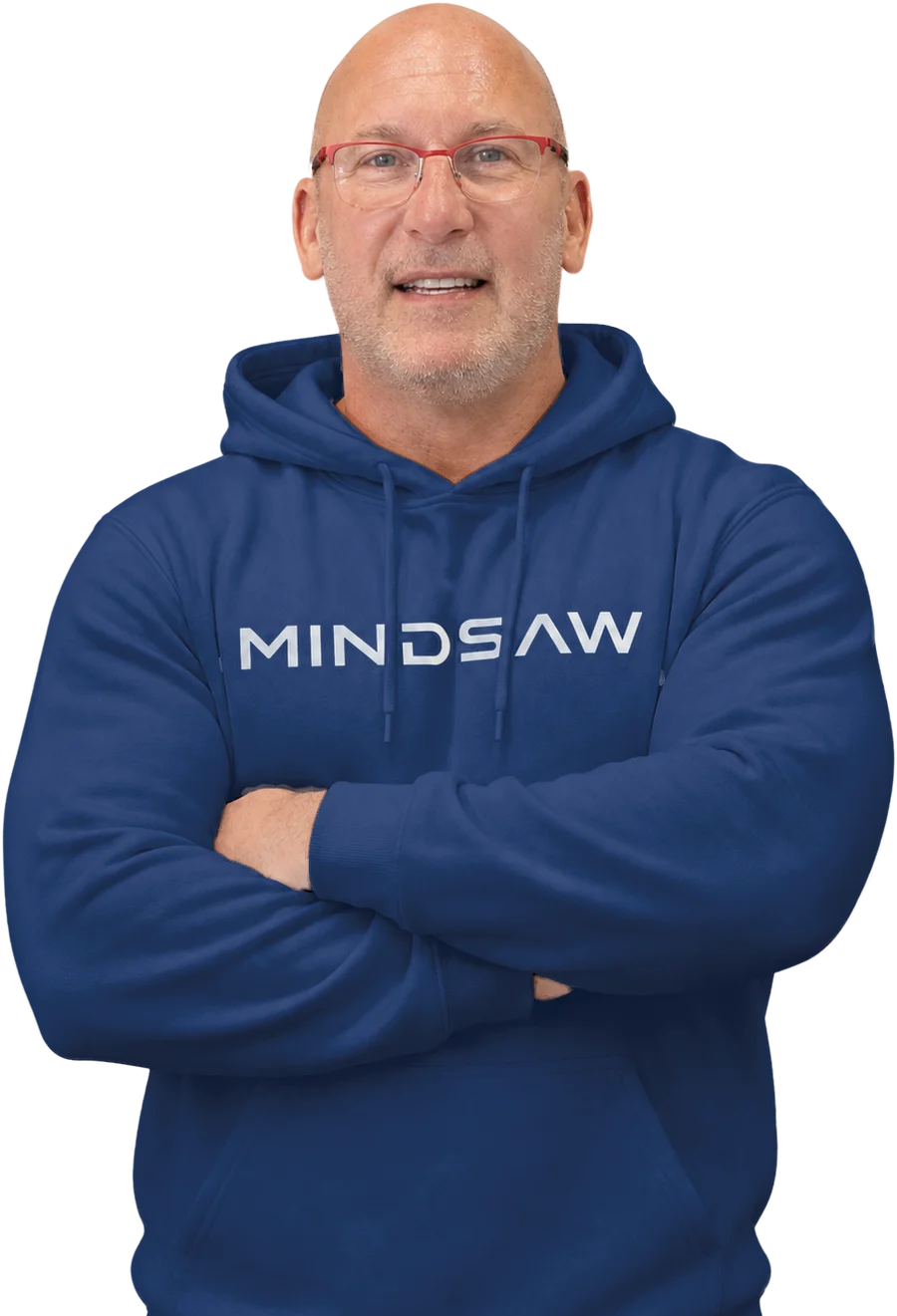
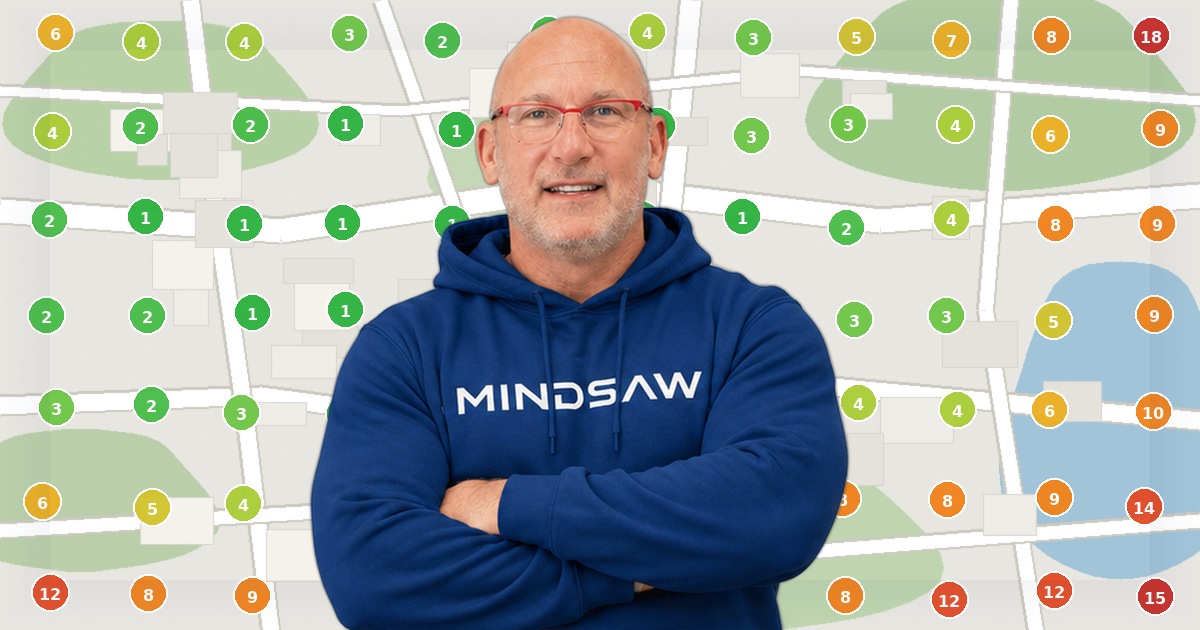 Bret Moleta, Founder, Mindsaw
·
Updated
·
~5 min read
AI search visibility score
What the score measures
SearchScore is the company most people mean when they say “AI search visibility score.” Its free checker gives a site a number from 0 to 100 across eight categories, including AI Citability, Brand Authority, Structured Data and E-E-A-T Content (SearchScore). It also calls this a GEO score, short for generative engine optimization.
The part I want every owner to read comes from SearchScore’s own methodology page: the score “is a readiness benchmark to improve against, not a prediction of how often you will be cited.” So a 70 doesn’t mean ChatGPT will send you seven calls out of ten. It means your site has more of the things AI tools can read and trust.
Why a plumber or roofer should care
People now type whole sentences into ChatGPT and Google’s AI answers. Something like “I need a plumber that works 24/7 in Tampa.” The tool reads the web, picks a few companies and explains why. If it can’t tell what you do and where you do it, you’re not on that list.
“you're not going to be suggested by Google and you're not going to be suggested by AI, because they don't know what you do and where you do it.”
Bret Moleta, Google Doesn’t Trust Your Website — And It Shows, at 2:12
That’s the same problem that keeps a contractor out of the map pack. A score just puts a number on it.
SEO and AI search use the same basics
Google says there are “no additional requirements to appear in AI Overviews or AI Mode” beyond its normal Search rules (Google Search Central). The page has to be indexed and allowed to show a snippet. Nobody sells a secret AI tag.
The idea of optimizing for AI answers was written up in a 2023 research paper called GEO: Generative Engine Optimization. For a local business, the work looks a lot like good local SEO done properly.
What to fix first
Here’s the order I’d work in for a home service company:
- Check your robots.txt. If it blocks AI crawlers such as GPTBot or PerplexityBot, those tools can’t read your site.
- Put your business name, address and phone number on every page, and make it match your Google Business Profile.
- Answer the question at the top of each page. If someone asks what a water heater install costs, the first paragraph should say so.
- Add an FAQ to your main service pages, using the questions customers actually ask you on the phone.
- Add schema: Organization or LocalBusiness on the home page, and FAQ markup where the FAQ is visible on the page.
- Put a real person’s name on your articles, with a bio page that says who they are.
“a huge word online for ChatGPT, for all AI, is the word… it's trust.”
Bret Moleta, Google Doesn’t Trust Your Website — And It Shows, at 6:48
Reviews, directory listings and a complete profile all build that trust. None of it is new. AI tools just lean on it harder.
What to do next
Run a free check, then fix the basics before you worry about the number. If the site itself is the problem, our websites start at $5,000. For the map side, see Google Maps SEO.
Keep reading
More from the Mindsaw blog on Google Maps and local search.
Questions we get
Is the AI search visibility score an official Google number?
No. It comes from third-party tools such as SearchScore. Google doesn’t publish an AI visibility score, and it says AI Overviews follow its normal Search rules.
Will a higher score get me more calls from ChatGPT?
Not guaranteed. SearchScore describes its score as a readiness benchmark, not a prediction of how often you will be cited. Use it as a to-do list.
Do I need a new website to show up in AI answers?
Not always. Many sites need fixes, not a rebuild: open crawler access, matching NAP, answer-first pages, FAQs and schema. If you do need a new site, ours start at $5,000.
Want to talk about your map pack?
Start with a free Google Maps audit, or call Mindsaw. We’ll look at your profile, your service pages, and whether AI tools can read what you do and where.
221 Main St N, Suite 708
St. Petersburg, FL 33716
Bret Moleta, Founder, Mindsaw
Bret Moleta founded Mindsaw in 2000. He works on Google Business Profiles, Google Maps rankings and websites for local businesses, and shares what he learns on YouTube. More about Bret.